



Most people don’t lose weight in front of millions of strangers. Jelly Roll did and he did it slowly, publicly, and without hiding the hard parts.
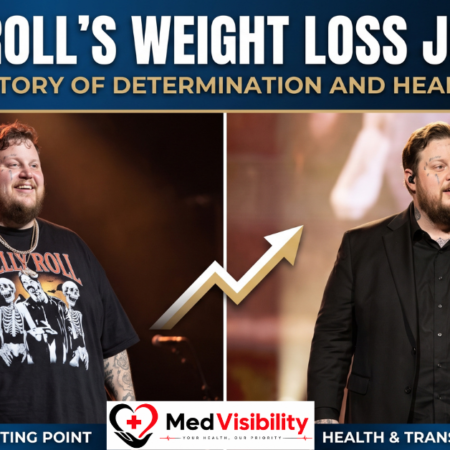
The country and hip-hop star, born Jason DeFord, has spent the last several years openly sharing a health transformation that took him from around 540–550 pounds at his heaviest to roughly 265 pounds by late 2025, putting his total loss at somewhere near 275 pounds depending on which point in his journey you’re measuring from. He’s talked about it on podcasts, in interviews, and on a Men’s Health cover and he’s been unusually specific about the fact that it wasn’t a quick fix. jelly roll weight loss.
This article isn’t about copying a celebrity’s routine. It’s about pulling out the parts of his story that are actually backed by good health guidance, so you can understand what a realistic, sustainable weight loss journey looks like and where to be careful about turning one man’s experience into a blueprint for your own body.
How Did Jelly Roll Lose Weight?

Jelly Roll has said his weight loss came from a combination of changing his relationship with food, working with a nutrition coach, addressing his eating habits through mental health support, regular exercise (including walking, weight training, and running), and medical monitoring of things like cholesterol and blood sugar. He has stated publicly that he did not use weight loss surgery, and reporting on his journey has described it as achieved without weight loss drugs through lifestyle change over a period of years rather than months.
Who Is Jelly Roll, and Why Is His Weight Loss Such a Big Story?
Jelly Roll built a music career that blended hip-hop, country, and rock, eventually earning Grammy nominations and a reputation for raw, personal songwriting. Alongside the music, he’s been candid for years about struggles with addiction, incarceration, and his weight which he has described as something he carried, sometimes literally weighing over 500 pounds, for most of his adult life.
What made his weight loss story resonate wasn’t just the number on the scale. It was how openly he talked about the process — including the setbacks. Long before his most recent transformation, he had already described losing a significant amount of weight in the past, only to regain much of it. That kind of honesty is relatively rare in celebrity health stories, which often skip straight to the “after” photo.
The Timeline: How the Weight Loss Progressed
Jelly Roll’s journey didn’t happen in a single dramatic year. Based on his own public statements and reporting over time, it unfolded in stages:
- Around 2015: He has said he weighed over 500 pounds, describing a moment when a doctor’s scale couldn’t register his weight.
- 2018: He shared that he had lost roughly 200 pounds over a couple of years, then regained a significant portion of it — a pattern he was open about rather than hiding.
- December 2022: He has pointed to this period as when his current, sustained weight loss journey began.
- 2024: He trained for and completed his first 5K race, and reported having lost roughly 100–110 pounds since restarting.
- April 2025: Reporting placed his total loss at around 200 pounds, taking him from roughly 550 pounds to the mid-300s.
- Late 2025 into early 2026: He appeared on the cover of Men’s Health, with his total weight loss reported at around 275 pounds and his weight at roughly 265 pounds.
READ MORE: Best Protein Powder for Weight Loss for Women
The pattern worth noticing here isn’t the size of any single drop — it’s the years-long timeline, including the part where he gained weight back before trying again.
Jelly Roll’s Weight Loss Timeline at a Glance
| Period | Reported Weight / Change | Notes |
|---|---|---|
| ~2015 | Over 500 lbs | Described as his heaviest period at the time |
| 2018 | Lost ~200 lbs, then regained much of it | First major public weight loss attempt |
| Dec 2022 | Journey restarts | Point he’s cited as the real turning point |
| 2024 | Down ~100–110 lbs from restart | Completed his first 5K |
| April 2025 | ~200 lbs lost total | Around 357 lbs, down from ~550 lbs |
| Late 2025 | ~275 lbs lost total | Around 265 lbs, per Men’s Health cover story |
Figures are drawn from Jelly Roll’s own public statements and multiple media interviews over several years, so exact numbers vary slightly by source and date.
What He Has Said Actually Changed
1. Treating Overeating Like an Addiction — With Professional Help
One of the more striking parts of Jelly Roll’s account is that he sought mental health support specifically for overeating before he focused heavily on the physical side of weight loss. He’s described reframing his relationship with food as something closer to addiction recovery than dieting.
This lines up with how health professionals increasingly talk about disordered eating patterns: for some people, sustainable change starts with understanding why they eat, not just what they eat. That’s a conversation for a doctor, therapist, or registered dietitian — not something to self-diagnose from a celebrity interview.
2. Structured, Professional Nutrition Support
Jelly Roll has spoken about working with a nutrition coach and chef to plan and prepare his meals, rather than relying on willpower alone. He’s also described a daily eating pattern built around lean protein and vegetables, one modest snack, and cutting out sugar and fast food — while staying hydrated throughout the day.
The general nutrition principle behind this — prioritising whole foods, adequate protein, and vegetables while limiting ultra-processed foods and added sugar — is consistent with guidance from bodies like the NHS Eatwell Guide, which recommends building meals around vegetables, fruit, whole grains, and lean protein sources.
3. Medical Monitoring, Not Guesswork
Rather than losing weight blind, Jelly Roll has said he brought in a medical team to run blood panels and track markers like cholesterol and blood sugar. This is a detail worth highlighting: significant weight loss changes how your body processes fat, sugar, and hormones, and monitoring those markers helps catch problems early — something the NHS and Mayo Clinic both recommend for anyone undertaking major lifestyle changes, especially with existing risk factors.
4. Exercise That Built Up Gradually
He didn’t start with intense training. By his own account, he began with walking, then progressively added weight training, cardio, and eventually distance running, training for and completing a 5K. He has also mentioned regular sauna use as part of his routine, though sauna use is generally considered a wellness habit rather than a proven weight loss method on its own. jelly roll weight loss
READ MORE: Best Weight Loss Plan for Women Over 60 A Realistic, Doctor-Backed Guide
Gradual progression — rather than jumping straight into high-intensity exercise — is a widely recommended approach, particularly for people who are deconditioned or carrying significant excess weight, since it reduces injury risk and is easier to sustain. jelly roll weight loss
What Jelly Roll Has Said He Didn’t Do
This part matters, because misinformation spreads fast around celebrity weight loss. Jelly Roll has publicly stated that he did not use weight loss surgery, and he has been reported as not using medications like Ozempic to achieve his results — attributing his transformation instead to sustained lifestyle changes over several years. jelly roll weight loss
It’s worth being cautious here: public statements can be incomplete, and celebrity weight loss claims in general are sometimes disputed or revised over time. Neither surgery nor prescription weight loss medication is inherently “better” or “worse” than lifestyle change — they’re different tools that suit different medical situations, and that decision should always be made with a doctor, based on someone’s individual health profile. jelly roll weight loss
Is a Story Like This Realistic for Everyone?
Here’s where it’s important to be honest: Jelly Roll had access to a nutrition coach, a personal chef, and a medical team monitoring his blood work — resources most people don’t have. That doesn’t make his weight loss fake or his effort less real, but it does mean his exact setup isn’t a template everyone can copy directly.
What is transferable from his story is the underlying approach that most credible health organisations recommend: jelly roll weight loss
- Losing weight gradually (the NHS generally suggests aiming for around 0.5–1kg, or roughly 1–2 lbs, per week for sustainable results) jelly roll weight loss
- Addressing the emotional or psychological side of eating, not just calories
- Building physical activity up slowly rather than all at once jelly roll weight loss
- Getting medical input, especially with significant weight to lose
- Expecting setbacks as part of the process, not proof of failure
Common Myths This Story Helps Debunk
| Myth | Reality |
|---|---|
| “Celebrities always use shortcuts (drugs or surgery)” | Jelly Roll has stated he used neither, relying instead on years of lifestyle change |
| “Real transformations happen fast” | His journey spans over three years of the current phase alone, with an earlier attempt before that |
| “Regaining weight means you’ve failed” | He publicly regained weight after his first attempt in 2018 before succeeding later |
| “Weight loss is only about diet and exercise” | He’s emphasised mental health support and addressing food addiction as central to his success |
| “You can do it entirely alone” | He’s credited a coach, chef, therapist, and medical team as part of his support system |
When to See a Doctor
If you’re carrying significant excess weight, dealing with a difficult relationship with food, or thinking about starting a major lifestyle change, it’s worth speaking to a GP or healthcare professional first, particularly if any of the following apply: jelly roll weight loss
- You have (or suspect you might have) high blood pressure, high cholesterol, or blood sugar issues
- You experience symptoms like extreme fatigue, joint pain, breathlessness, or sleep disturbances alongside your weight jelly roll weight loss
- You notice patterns of binge eating, compulsive eating, or eating in response to stress or emotion
- You’ve tried to lose weight before and regained it, and want a more sustainable plan
- You’re considering prescription weight loss medication or surgery and want to understand if you’re a candidate jelly roll weight loss
A doctor can arrange blood tests, assess your overall health, and refer you to a dietitian, therapist, or specialist weight management service where appropriate — the same kind of team-based approach Jelly Roll has described using himself. jelly roll weight loss
Key Takeaways
- Jelly Roll’s weight loss has unfolded over years, not months, including an earlier attempt where he regained weight before succeeding later. jelly roll weight loss
- His approach reportedly combined therapy for overeating, structured nutrition support, medical monitoring, and gradually increasing exercise. jelly roll weight loss
- He has stated he achieved this without weight loss surgery or medication, though individual circumstances vary and neither option is inherently right or wrong for everyone. jelly roll weight loss
- His story illustrates general principles — gradual change, addressing emotional eating, and professional support — that align with mainstream health guidance, even though most people won’t have identical resources. jelly roll weight loss
- No single celebrity’s routine should replace personalised medical advice.
READ MORE: Best Diet for Weight Loss UK An Evidence-Based, No-Fad Guide
A Note on Reading Celebrity Weight Loss Stories
Celebrity transformations are genuinely motivating for a lot of people, and there’s nothing wrong with finding inspiration in them. But it’s worth remembering that public figures often have access to coaches, chefs, and medical teams that aren’t realistic for most households and budgets. The most useful thing to take from a story like Jelly Roll’s isn’t the specific numbers — it’s the reminder that sustainable weight loss tends to be slow, occasionally non-linear, and genuinely easier with the right support around you. jelly roll weight loss
FAQs
How much weight has Jelly Roll lost in total?
As of his early 2026 Men’s Health cover, Jelly Roll’s weight loss was reported at around 275 pounds, taking him from a reported high of roughly 540–550 pounds to around 265 pounds.
Did Jelly Roll use Ozempic or weight loss surgery?
He has publicly stated that he did not use weight loss surgery, and reporting on his journey has consistently described his results as coming from lifestyle changes rather than weight loss medication.
How long did it take Jelly Roll to lose the weight?
His current, sustained weight loss journey is generally traced back to around December 2022, though he had an earlier weight loss attempt starting years before that, in which he lost weight and later regained a portion of it.
What kind of exercise did Jelly Roll do?
He has described starting with walking before gradually adding weight training, cardio, and running, including completing a 5K race in 2024.
Is Jelly Roll’s approach a good model for weight loss in general?
The broad principles he describes — gradual change, professional nutrition support, addressing emotional eating, and medical monitoring — align with widely recommended health guidance. However, his specific plan was personalised to him with professional support, so anyone considering a similar approach should build their own plan with a doctor or registered dietitian.
Is Jelly Roll still trying to lose more weight?
He has spoken about wanting to reach a lower goal weight and continuing to focus on his health, though exact current goals may have evolved since his most recent public statements.
For more updates visit: medvisibility.co.uk

Other Articles

Mounjaro on the NHS UK What’s Actually Available in 2026
HIIT Workout for Weight Loss UK Does It Actually Work?



[…] READ MORE: Jelly Roll’s Weight Loss What Actually Worked, and What It Teaches Us […]
[…] if the accounts are otherwise similar, the comparison becomes […]