



Choosing a protein powder when you want to lose weight can feel overwhelming. Shelves and online stores are packed with options promising lean results, pink packaging, and “women-only” formulas. The reality is simpler and more practical: no powder melts fat on its own. What it can do is help you hit a higher protein target with fewer calories, support satiety, and protect muscle while you’re in a deficit. best protein powder for weight loss for women.
This guide focuses on what actually matters for women aiming to lose fat while keeping strength and metabolism steady. It draws on established nutrition principles, recent research patterns around protein needs during energy restriction, and the practical filters that separate useful products from marketing noise. Results always depend on your overall diet, training, sleep, and consistency there are no universal guarantees.
Why Protein Matters During Weight Loss for Women
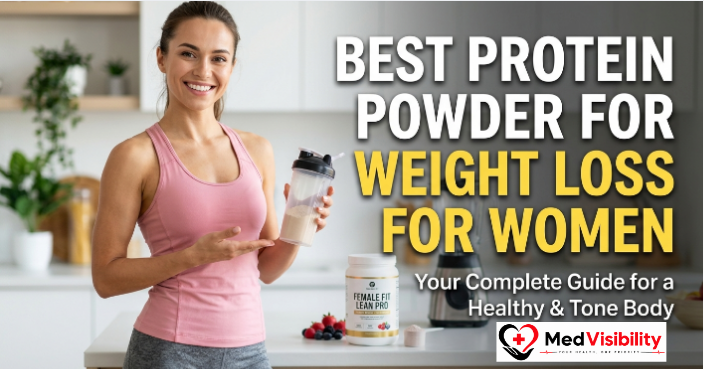
When calories drop, the body can break down both fat and muscle. Higher protein intake (often in the range of 1.2–1.6 g per kg of body weight, sometimes higher for active women or steeper deficits) helps tip the balance toward fat loss and muscle retention. Protein also increases feelings of fullness more effectively than carbs or fat for many people, which can make sticking to a calorie target easier.best protein powder for weight loss for women.
READ MORE: Weight Loss Tips for Women A Realistic, Doctor-Approved Starting Point
Whey and other complete proteins supply leucine, an amino acid that triggers muscle protein synthesis. Research consistently shows that hitting roughly 20–30 g of high-quality protein per meal (with adequate leucine) supports this process even in a deficit. Plant blends can work too when formulated to deliver a complete amino acid profile, though larger servings are sometimes needed.
Women do not biologically require a completely different protein source from men. Differences in absolute needs usually come from body size, activity level, and life stage (for example, higher needs around menopause to help counteract accelerated muscle loss). Products marketed specifically “for women” often add vitamins, collagen, or herbs; some of these can be useful if they fill genuine gaps, but the core job remains high protein per calorie with clean ingredients. best protein powder for weight loss for women.
Disclaimer
Results vary by individual, diet quality, training, sleep, and other lifestyle factors. This article is for general information only and is not personalised medical or nutritional advice. Consult a qualified healthcare professional or registered dietitian before starting any new supplement, especially if you have underlying health conditions.
What to Look for in a Protein Powder for Fat Loss
Focus on these practical filters rather than brand hype: best protein powder for weight loss for women.
- Protein-to-calorie ratio: Aim for 20–28 g protein in roughly 100–130 calories. Isolates generally win here because processing removes more fat and carbs.
- Low or no added sugar: Many “diet” or flavoured options hide 5–15 g of sugar. Stevia, monk fruit, or unflavoured versions keep calories lower.
- Complete amino acid profile: Whey isolate, casein, egg white, or well-blended plant sources (pea + rice, for example) deliver the essentials. best protein powder for weight loss for women.
- Digestibility and tolerability: Lactose-sensitive women often prefer isolates or plant options. Third-party testing (Informed Choice, NSF, Informed Sport) adds a layer of trust on purity and label accuracy.
- Minimal unnecessary fillers: Emulsifiers, artificial colours, and proprietary blends can cause bloating for some people and dilute the protein content. best protein powder for weight loss for women.
READ MORE: Best Diet for Weight Loss UK An Evidence-Based, No-Fad Guide
Unflavoured powders give the most flexibility—mix into yoghurt, oats, or smoothies without adding sweetness. Flavoured options work if you enjoy them enough to use them consistently. best protein powder for weight loss for women.
Types of Protein Powder and How They Fit Weight-Loss Goals
Whey protein isolate Fast-digesting, high leucine, typically the leanest macros. Many isolates deliver 25–27 g protein for around 100–120 calories with almost no lactose. Useful post-workout or as a meal component when you need protein without many extra calories. best protein powder for weight loss for women.
Whey concentrate or blends Slightly higher calories and lactose. Still effective if the overall protein target is met and the calorie budget allows. Often cheaper and available in more flavours.
Casein Slower digestion. Can support overnight satiety and reduce late-night snacking for some women. Higher calorie density than isolates, so portion carefully. best protein powder for weight loss for women.
Plant-based blends Pea, rice, hemp, or multi-source formulas. Good for dairy-free needs. Look for products that reach at least 20 g protein and a solid leucine threshold per serving. Fibre content can aid fullness but may cause digestive discomfort if introduced too quickly.
Egg white or collagen Egg white is a complete, dairy-free option. Collagen supports skin and joints but is low in leucine and incomplete for muscle protein synthesis—pair it with other protein sources rather than relying on it alone. best protein powder for weight loss for women.
No single type is universally “best.” The right choice is the one you will use regularly that fits your calorie budget, digestion, and dietary preferences. best protein powder for weight loss for women.
How to Use Protein Powder Effectively
Treat it as a tool, not a meal replacement unless the product is specifically formulated as one (and even then, whole foods should form the foundation). best protein powder for weight loss for women.
Practical ways to incorporate it:
- Post-workout shake with water or unsweetened almond milk for a low-calorie boost.
- Mixed into Greek yoghurt or overnight oats to raise the protein content of breakfast.
- Blended with berries, spinach, and a small amount of nut butter for a more balanced snack.
- As a “pre-load” 20–30 minutes before a meal to help control portion sizes.
Spread protein across the day rather than loading it all into one shake. Most research points to 20–40 g per eating occasion as effective for muscle protein synthesis in women during energy restriction.
Track total daily protein from food plus powder. A 65–70 kg woman aiming for fat loss while training might target 100–130 g total protein; the powder simply fills gaps that whole foods leave.
Common Mistakes to Avoid
- Choosing a powder purely on “for women” marketing or pink packaging. Check the label numbers instead.
- Relying on protein powder while ignoring overall calorie balance. A high-protein surplus still leads to weight gain. best protein powder for weight loss for women.
- Expecting the powder to replace resistance training. Muscle preservation works best when protein and progressive strength work are combined. best protein powder for weight loss for women.
- Overlooking digestive tolerance. Switching sources or reducing dose temporarily can solve bloating.
- Ignoring third-party testing in a category where contamination risks exist.
- Treating any single product as a magic solution. Consistency across diet, sleep, and activity drives results.
Realistic Expectations and Limitations
Protein powder can make a calorie deficit more sustainable and help protect lean mass, but it does not override a large surplus, poor sleep, or sedentary habits. Individual responses vary with age, hormones, gut health, and training history. Women approaching or past menopause may need relatively higher protein and consistent resistance work to counteract accelerated muscle loss.
If you have kidney issues, specific medical conditions, or are pregnant or breastfeeding, speak with a doctor or registered dietitian before adding supplements. Quality varies widely; cheaper products can under-deliver on protein or contain unwanted additives.
Putting It Together: A Simple Decision Framework
- Calculate a realistic daily protein target based on body weight and goals.
- Prioritise whole-food protein first (eggs, fish, poultry, dairy, legumes, tofu).
- Use powder to fill the remaining gap with the leanest macros you tolerate.
- Choose a product with transparent labelling, solid protein-per-calorie numbers, and preferably third-party testing.
- Test for two weeks: track how you feel, digestion, satiety, and whether the powder helps you stay consistent with your overall plan.
- Adjust based on results rather than switching brands every month.
This approach keeps the focus on what moves the needle instead of chasing the latest “best” list that changes with every affiliate cycle.
Key Takeaways
- Prioritise protein-per-calorie ratio over marketing claims.
- Aim for 20–30 g high-quality protein per serving with adequate leucine.
- Combine with resistance training and overall calorie control for best results.
- Check third-party testing and digestive tolerance.
- Whole foods remain the foundation; powder fills gaps.
- Individual results vary—track and adjust.
Content Freshness Note
Review product formulations, third-party certifications, and any new research on protein requirements during energy restriction or menopause every 6–12 months. Monitor shifts in Google’s treatment of product-recommendation content after core updates.
Editorial Review Note
This content should be reviewed by an experienced practitioner familiar with both nutrition science and current search quality standards before publishing to confirm accuracy of recommendations and alignment with RankRX’s practical, no-hype voice.
Conclusion
The most useful protein powder for weight loss is the one that delivers high-quality protein with minimal calories and ingredients you tolerate well, used as part of a consistent calorie-controlled plan that includes resistance training. Whey isolates frequently top practical rankings for their protein-to-calorie efficiency, while plant blends serve dairy-free needs when properly formulated. Marketing claims and gender-specific packaging matter far less than the numbers on the label and how the product fits your daily routine.
READ MORE: Best Weight Loss Plan for Women Over 60 A Realistic, Doctor-Backed Guide
Focus on the fundamentals—adequate protein, a sustainable deficit, strength work, and recovery—and the powder becomes a convenient helper rather than the star of the show. Results vary by individual; what works for one woman may need adjustment for another. Track progress honestly and refine as you go.
FAQs
Does protein powder actually help women lose weight?
It can support weight loss by increasing satiety and helping preserve muscle in a calorie deficit, but it does not cause fat loss by itself. Overall energy balance remains the primary driver.
How much protein powder should a woman take for weight loss?
Most people do well with 20–30 g per serving once or twice a day, depending on total daily needs from food. Aim for overall intake around 1.2–1.6 g (or higher) per kg of body weight rather than fixating on the powder alone.
Is whey or plant protein better for fat loss?
Both can work. Whey isolates usually offer higher protein per calorie and more leucine. Plant blends succeed when they provide a complete amino profile and fit your digestion and preferences.
Can I use protein powder every day while dieting?
Yes, provided total protein and calories fit your plan and you tolerate the product well. Rotate with whole-food sources for variety and micronutrients.
Do “women’s” protein powders offer unique benefits?
Often they simply add vitamins, minerals, or collagen. These can be convenient if they address real gaps, but the core protein quality and calorie density matter more than the gender marketing.
Should I take protein powder if I’m not working out?
It can still help with satiety and meeting protein targets, but muscle-preserving benefits are greater when combined with resistance training.
For more updates visit: medvisibility.co.uk

Other Articles


[…] and downloadable guides build trust before a patient ever books an appointment. The most effective content for medical practices tends […]
[…] with calm — a small but genuinely useful psychological shortcut, similar in principle to why sleep experts recommend not working from bed. how to improve mental health at […]
[…] upfront about both sides matters — at-home weight loss works well for many women, but it isn’t automatically easier than gym-based or professionally guided approaches. It […]
[…] is probably the most widely used natural remedy in British kitchens. It belongs to the same plant family as turmeric and has been valued for its anti-inflammatory and antioxidant properties for […]