



Losing weight at home sounds simple until you actually try it. No gym membership to force you out the door, no trainer checking in, just you, your kitchen, and whatever floor space you can clear for a workout. That’s exactly why so many women search for weight loss tips for women at home they want something realistic they can actually stick to, not another list of rules that falls apart by week two.
Disclaimer: This article is for general informational purposes only and does not constitute medical or nutritional advice. Results vary depending on individual health, body composition, consistency, and other factors. Readers with existing health conditions, or before making significant changes to diet or exercise, should consult a doctor, registered dietitian, or qualified health professional.
This guide skips the hype. No “melt fat overnight” promises, no miracle teas, no 500-calorie meal plans dressed up as a lifestyle. Instead, it covers what actually tends to work nutrition habits, home workouts, sleep, stress, and the small daily choices that add up along with an honest look at where results vary and why patience matters more than perfection.
What “Weight Loss at Home” Actually Means
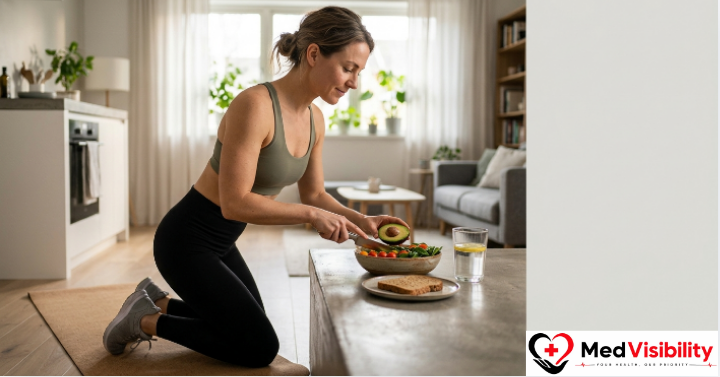
Before diving into tactics, it helps to set the frame correctly. Weight loss at home isn’t a shortcut or a lesser version of a gym-based plan for many women, it’s simply more sustainable. You control the environment, the schedule, and the pace.
That said, a few realities apply:
- Weight loss is a slow process for most people. A commonly cited, medically reasonable pace is around 0.5–1 kg (roughly 1–2 lbs) per week, though this varies by individual, starting weight, and health status.
- No single food, drink, or exercise “burns fat” on its own. Weight change is driven by a combination of energy balance, food quality, activity, sleep, hormones, and consistency over time.
- What works for one woman may not work identically for another. Age, metabolism, medical history, hormonal changes (like perimenopause), and lifestyle all play a role.
- This article offers general, evidence-informed guidance not medical advice. Anyone with existing health conditions, or planning significant dietary or exercise changes, should speak with a doctor or registered dietitian first.
With that groundwork in place, here’s what tends to make the biggest practical difference.
Setting Realistic Goals Before You Start
Jumping straight into a strict diet or an ambitious workout schedule is one of the most common reasons home weight-loss attempts stall. A goal that’s too aggressive is hard to sustain, and inconsistency — not lack of willpower — is usually what derails progress.
A more sustainable approach looks like this:
- Pick one or two changes to start, not ten. Trying to overhaul your entire diet and start a daily workout routine in the same week rarely lasts.
- Track progress beyond the scale. Energy levels, how clothes fit, strength gains, and sleep quality often shift before the number on the scale does.
- Give any new habit at least 3–4 weeks before judging whether it’s working. Short-term fluctuations are normal and don’t reflect real progress or failure.
- Write your “why” down. Vague motivation (“I want to lose weight”) fades faster than a specific one (“I want to keep up with my kids without getting winded”).
READ MORE: Jelly Roll Weight Loss What Actually Happened
Nutrition-Based Tips for Weight Loss at Home
Diet plays a central role in weight management, and the good news is that effective changes don’t require expensive meal kits or complicated macro tracking. Small, repeatable habits tend to outperform rigid, short-term diets. weight loss tips for women at home.
1. Focus on Protein and Fibre First
Meals built around protein (eggs, lentils, chicken, fish, tofu, yoghurt) and fibre (vegetables, whole grains, fruit) tend to keep you fuller for longer, which naturally reduces snacking and overeating later in the day. This is one of the more consistently supported dietary strategies across nutrition research, rather than a passing trend.
2. Practice Portion Awareness, Not Extreme Restriction
Severely cutting calories often backfires — it can slow metabolism, increase cravings, and make the plan unsustainable within weeks. A more workable approach:
- Use a smaller plate to naturally reduce portion size. weight loss tips for women at home.
- Fill half your plate with vegetables before adding carbs or protein. weight loss tips for women at home.
- Eat slowly and stop at “comfortably full,” not “completely full.” weight loss tips for women at home.
3. Cut Back on Liquid Calories
Sugary drinks, flavoured coffees, and fruit juices can add hundreds of hidden calories a day without making you feel any fuller. Swapping even one sugary drink daily for water, black coffee, or unsweetened tea is a simple, low-effort change with a real cumulative impact. weight loss tips for women at home.
4. Cook at Home More Often
Home-cooked meals give you direct control over oil, sugar, and portion size — three things restaurant and takeaway meals often go heavy on. You don’t need elaborate recipes; simple stir-fries, grain bowls, and one-pan meals are enough. weight loss tips for women at home.
5. Plan Meals Loosely in Advance
A rough meal plan for the week — even just knowing your dinners — reduces last-minute takeaway orders driven by decision fatigue. Batch-cooking a base (rice, grilled chicken, roasted vegetables) on one day and mixing it into different meals through the week saves time and keeps choices consistent.
6. Stay Hydrated
Thirst is often mistaken for hunger. Drinking a glass of water before meals and spacing hydration throughout the day is a small habit that supports appetite regulation, though it’s not a weight-loss method on its own.
7. Watch Late-Night and Mindless Eating
Eating while distracted (TV, phone, work) makes it easy to lose track of how much you’ve actually consumed. Where possible, eat at a table, without screens, and notice fullness cues. weight loss tips for women at home.
Home Workout Tips (No Gym Required)
Exercise supports weight loss, but more importantly, it protects muscle mass, improves metabolic health, and boosts mood and energy — benefits that go well beyond the scale. None of the following require equipment or a gym membership. weight loss tips for women at home.
Bodyweight Strength Training
Strength training is often underused by women trying to lose weight, despite strong evidence that maintaining muscle mass supports long-term metabolic health. Bodyweight moves like squats, lunges, push-ups (modified if needed), glute bridges, and planks can be done in a small space with zero equipment.
A simple starting structure:
- 3 sessions per week weight loss tips for women at home
- 3 sets of 10–15 reps per exercise
- Rest 30–60 seconds between sets
Walking — The Most Underrated Tool
Walking is low-impact, requires no skill, and is one of the most sustainable forms of activity for weight management. A daily walk — even broken into two 15-minute sessions — adds up meaningfully over weeks and months, and it’s far easier to sustain long-term than high-intensity workouts that quickly lead to burnout.
Short, Consistent Home Cardio
For women short on time, 15–20 minute home cardio sessions (jumping jacks, high knees, step-ups, dancing) done consistently tend to outperform occasional 90-minute sessions that aren’t sustainable. Free video workouts and apps can guide beginners without any cost. weight loss tips for women at home.
Stretching and Mobility
Often skipped, but mobility work reduces injury risk and makes strength and cardio sessions more effective over time. Ten minutes of stretching after a workout, or a short daily mobility routine, is a low-effort addition with real value. weight loss tips for women at home.
Consistency Over Intensity
The single biggest predictor of results isn’t workout difficulty — it’s whether the routine actually gets repeated week after week. A moderate routine done consistently for three months will almost always outperform an intense routine abandoned after two weeks. weight loss tips for women at home.
Lifestyle Factors That Quietly Affect Weight Loss
Diet and exercise get most of the attention, but several background factors influence results just as much — and they’re often overlooked in generic weight-loss content. weight loss tips for women at home.
Sleep
Poor sleep is linked to increased hunger hormones (ghrelin) and reduced satiety hormones (leptin), which can lead to increased appetite and cravings the next day. Aiming for a consistent sleep schedule — even before adjusting diet or exercise — is one of the more overlooked levers in home weight-loss efforts.
Stress Management
Chronic stress raises cortisol, which can influence appetite, fat storage patterns, and emotional eating for some people. Simple stress-reduction habits — short walks, journaling, breathing exercises, or just reducing screen time before bed — can indirectly support weight-loss consistency by reducing stress-driven eating.
Hormonal Changes
For many women, hormonal shifts — during the menstrual cycle, postpartum, or perimenopause — genuinely affect weight, energy, and appetite. This is a normal, biological reality, not a personal failure, and it’s a valid reason to talk to a doctor if weight loss efforts consistently don’t match expected effort.
Consistency Over Perfection
One inconsistent week, one missed workout, or one indulgent meal doesn’t undo progress. The habits that compound over months — not the occasional “bad day” — determine long-term results.
Sample Weekly At-Home Routine
| Day | Focus | Example |
|---|---|---|
| Monday | Strength (lower body) | Squats, lunges, glute bridges |
| Tuesday | Walk + mobility | 20–30 min walk, 10 min stretching |
| Wednesday | Strength (upper body) | Push-ups, planks, arm circles |
| Thursday | Rest or light walk | 15–20 min gentle walk |
| Friday | Strength (full body) | Combination circuit, 3 rounds |
| Saturday | Cardio | 15–20 min home cardio session |
| Sunday | Rest and meal prep | Plan and prep meals for the week |
This is a starting template, not a fixed rule — adjust frequency and intensity based on fitness level, energy, and how your body responds. weight loss tips for women at home.
Simple Home Tools That Can Help (Optional, Not Required)
| Tool | Purpose | Do You Need It? |
|---|---|---|
| Kitchen scale | Portion awareness | Helpful early on, not essential long-term |
| Resistance bands | Add strength challenge | Optional, low-cost add-on |
| Step counter / phone app | Track daily movement | Useful for awareness, not mandatory |
| Water bottle with markers | Hydration reminder | Simple habit-support tool |
| Free workout apps | Guided home workouts | Good for beginners lacking routine ideas |
None of these tools are required to lose weight — they simply make certain habits easier to track and maintain.
Common Mistakes to Avoid
- Cutting calories too drastically. This often triggers stronger cravings and unsustainable hunger, leading to a rebound. weight loss tips for women at home.
- Skipping strength training entirely. Cardio alone, without any resistance work, can lead to muscle loss alongside fat loss.
- Chasing quick fixes. Detox teas, extreme fasting windows, or “10 kg in 10 days” plans are not supported by credible evidence and are often unsafe. weight loss tips for women at home.
- Ignoring sleep and stress. Focusing only on food and exercise while ignoring these factors often explains stalled progress. weight loss tips for women at home.
- All-or-nothing thinking. One missed workout or one off-plan meal doesn’t erase progress — quitting entirely because of it does more damage.
- Comparing your timeline to someone else’s. Bodies, starting points, and circumstances differ; comparison often fuels discouragement rather than motivation.
Benefits and Limitations of Losing Weight at Home
Benefits:
- No commute or membership cost
- Full control over schedule and privacy weight loss tips for women at home
- Easier to build around family, work, or childcare
- Encourages sustainable, low-pressure habit-building
Limitations:
- No professional supervision or form correction for exercises
- Requires more self-discipline without external accountability weight loss tips for women at home
- Progress can be slower to notice without structured check-ins
- Not a substitute for medical guidance if underlying health conditions are involved
Being upfront about both sides matters — at-home weight loss works well for many women, but it isn’t automatically easier than gym-based or professionally guided approaches. It simply shifts where the effort and structure need to come from. weight loss tips for women at home.
Conclusion
There’s no single trick that makes weight loss at home fast or effortless and any content that promises otherwise is worth being skeptical of. What actually tends to work is a combination of realistic nutrition habits, consistent movement, decent sleep, and stress management, applied patiently over weeks and months rather than days.
Start small. Pick one or two changes from this guide, give them a few weeks, and build from there. Progress that lasts is almost always built on habits that are boring enough to repeat, not exciting enough to abandon after a week. weight loss tips for women at home.
FAQs
How much weight can I realistically lose at home in a month?
This varies widely by individual, but a commonly cited safe range is around 2–4 kg (roughly 4–8 lbs) per month through consistent diet and activity changes. Faster loss is possible but is often water weight or harder to sustain. weight loss tips for women at home.
Do I need equipment to lose weight at home?
Bodyweight exercises, walking, and basic nutrition changes are enough to get started. Equipment like resistance bands can add variety later, but it isn’t required.
Is it possible to lose weight without exercising, just through diet?
Diet changes alone can lead to weight loss, but combining them with movement — even just walking and light strength training — tends to produce better long-term results and helps preserve muscle mass.
Why am I not losing weight even though I’m eating less and exercising?
This is common and can be linked to factors like poor sleep, high stress, inconsistent tracking, hormonal changes, or a plateau that’s a normal part of the process. If it persists for several weeks despite consistent effort, it’s worth speaking with a doctor to rule out underlying causes. weight loss tips for women at home.
Are home workouts as effective as gym workouts for weight loss?
They can be, particularly for beginners and intermediate exercisers. The main factors that matter are consistency and progressive effort over time — not necessarily the location or equipment used.
How long before I see visible results?
Most women notice changes in energy and how clothes fit within 3–6 weeks of consistent effort, with more visible changes typically building over 8–12 weeks. This varies by individual.
For more updates visit: medvisibility.co.uk

Other Articles

Best Home Workout for Beginners UK pdf Your Simple Starter Guide

[…] worth being realistic about what a Google Business Profile can and can’t do. It […]
[…] transition to value-based care. The goal is to help hospitals improve workflows, reduce physician burnout, and enable doctors to see more patients per day while maintaining quality of […]
[…] of information: concentration — how much of the active drug is packed into each millilitre of liquid. Two bottles of the same medicine can have completely different concentrations, which is exactly […]