



There’s a particular kind of guilt that comes from paying for a gym membership and still doing your workouts on the living room rug. If that’s you, you’re in good company and, honestly, you might not be missing out on much. A well-structured home workout can build real strength, improve your heart health, and leave you just as sweaty and sore as a gym session, provided it’s put together properly. how can i get the best workout at home.
The tricky part isn’t motivation or space. It’s structure. Most people who try to get the best workout at home end up doing a random assortment of exercises they half-remember from a video, with no real plan for progression, recovery, or intensity. This guide walks through what actually makes a home workout effective, how to build a routine around your goals, and which mistakes quietly stall people’s progress.
A quick note before we go further: this article covers general fitness guidance, not medical advice. If you have an existing health condition, are recovering from an injury, or are new to exercise after a long break, it’s worth checking in with a GP or physiotherapist before starting anything new.
What Actually Makes a Home Workout “the Best” One
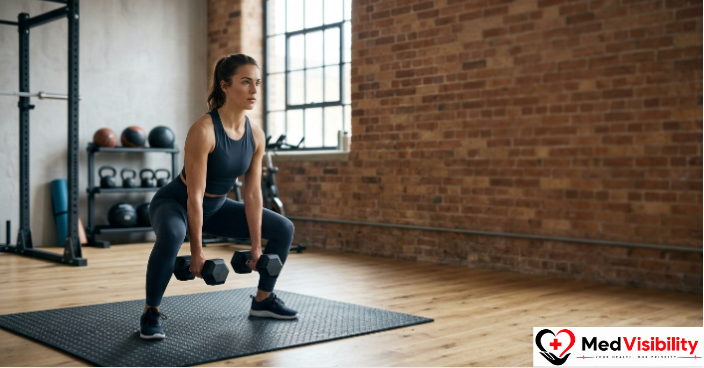
There’s no single perfect home workout the best one is the one that matches your current fitness level, fits into your week, and you’ll actually keep doing. That said, research on exercise physiology and public health guidance (including from the NHS and the World Health Organization) points to a few consistent ingredients in any effective routine, whether it happens at a gym or on a bedroom floor:
- Progressive overload — gradually making exercises harder over time, whether through more reps, less rest, or trickier variations
- A mix of strength and cardiovascular work — not just one or the other
- Consistency over intensity — three realistic sessions a week beats one brutal one followed by two weeks off
- Recovery built in — muscles adapt and grow stronger during rest, not during the workout itself
Adult exercise guidelines generally recommend at least 150 minutes of moderate activity a week, plus muscle-strengthening activity on two or more days. A home workout routine can meet both of these targets without a single piece of gym equipment.
The Building Blocks of an Effective At-Home Workout
Think of a good home workout as having four layers. Skipping any one of them is usually where things go wrong.
1. Warm-Up First
Jumping straight into squats or a fast-paced circuit with cold muscles is one of the more common ways people hurt themselves at home, where there’s no trainer around to notice bad form. Spending three to five minutes on dynamic movement — marching on the spot, arm circles, hip openers, a few bodyweight squats — raises your core temperature and gets blood moving to the muscles you’re about to use.
2. Strength Training Without Weights
You don’t need a rack of dumbbells to build strength. Your own body weight, especially when combined with tempo changes (slowing down the lowering phase of a movement, for example) and reduced rest periods, provides plenty of resistance for beginners and even many intermediate exercisers.
3. Cardio and Heart-Rate Elevation
Cardiovascular fitness at home usually comes from moving continuously or in short, intense bursts — think jumping jacks, high knees, or circuit-style strength work performed back-to-back with minimal rest. This is where high-intensity interval training (HIIT) tends to come in: short bursts of hard effort followed by brief recovery periods, repeated for 15–20 minutes.
4. Flexibility and Recovery
Stretching and mobility work at the end of a session — or on separate rest days — helps manage soreness and keeps joints moving well. This part gets skipped more often than any other, usually because it’s the least exciting, but it’s what keeps a routine sustainable over months rather than weeks.
A Sample Weekly Structure
There’s no need to overthink scheduling. A simple, balanced week for someone building general fitness at home might look like this:
| Day | Focus | Approx. Duration |
|---|---|---|
| Monday | Full-body strength (bodyweight) | 30–40 minutes |
| Tuesday | Light cardio or a walk | 20–30 minutes |
| Wednesday | Strength + core | 30 minutes |
| Thursday | Rest or gentle stretching | 10–15 minutes |
| Friday | HIIT-style circuit | 20 minutes |
| Saturday | Strength (different exercises) | 30 minutes |
| Sunday | Rest or active recovery (walk, yoga) | Flexible |
This is a starting template, not a rulebook. Beginners might do well starting with three sessions a week and adding more as things feel manageable; more experienced exercisers might combine strength and cardio into most sessions.
Essential Bodyweight Moves to Master
A handful of exercises form the backbone of most effective home workouts, largely because they work several muscle groups at once and can be adjusted in difficulty as you improve.
- Squats — Target the quads, glutes, and core. Beginners can use a chair for support and depth guidance; more advanced exercisers can add jump squats or single-leg variations.
- Push-ups — Build strength through the chest, shoulders, and triceps. Doing them from the knees is a legitimate modification, not a lesser version, especially while building up shoulder and core strength.
- Planks — Engage the entire core and improve overall stability. A forearm plank is often more comfortable on the wrists than a high plank. how can i get the best workout at home.
- Glute bridges — Activate the glutes, hamstrings, and lower back by lifting the hips from a lying position. Useful for people who sit for long periods during the day. how can i get the best workout at home.
- Lunges — Build single-leg strength and balance, which carries over well into everyday movement like climbing stairs.
- Mountain climbers — Combine core engagement with a cardio element, making them a good bridge between strength and interval training. how can i get the best worko.ut at home
Rotating through a handful of these movements, adjusting reps and rest as you go, is enough to build a genuinely challenging routine without ever needing a piece of equipment. how can i get the best workout at home.
Do You Need Equipment?
Not necessarily — but a small amount can extend how long bodyweight training stays challenging.
| No Equipment | Minimal Equipment (bands, dumbbells) | |
|---|---|---|
| Cost | Free | Low to moderate |
| Space needed | Very little | Slightly more |
| Progression ceiling | Limited over time | Higher, easier to keep progressing |
| Good for | Beginners, travel, small spaces | Intermediate/advanced, longer-term training |
| Setup | None | Minimal |
If you’re just starting out, equipment isn’t necessary at all. If you’ve been training bodyweight-only for a few months and squats or push-ups no longer feel challenging even in harder variations, a set of resistance bands or adjustable dumbbells is usually the next logical step rather than a requirement from day one.
Common Mistakes That Slow Progress
A few patterns show up again and again in people who feel like their home workouts “aren’t working”:
- Doing the same routine indefinitely — without some form of progression, the body adapts and stops improving. how can i get the best workout at home.
- Skipping warm-ups — increases injury risk, particularly for joints like knees and shoulders.
- Prioritising speed over form — rushing through reps reduces muscle engagement and raises injury risk.
- No rest days — muscles need recovery time to actually get stronger; training the same muscle groups every day can backfire. how can i get the best workout at home.
- Inconsistent scheduling — three sessions a week, done consistently, will outperform an ambitious plan that gets abandoned after ten days.
How to Stay Consistent
Motivation fades — that’s normal and not a personal failing. What tends to work better than willpower is structure: how can i get the best workout at home.
- Fixed time slots. Treating a workout like an appointment (same time, most days) removes the daily decision of “should I do this now?” how can i get the best workout at home.
- Habit stacking. Attaching a workout to an existing habit, like right after brushing your teeth in the morning, reduces the friction of starting. how can i get the best workout at home.
- Tracking progress loosely. Noting reps or how a session felt, even in a basic notes app, gives a sense of movement that pure motivation can’t provide. how can i get the best workout at home.
- Following a structured plan. Having the session already decided (rather than deciding exercises on the spot) removes a surprising amount of resistance to just starting.
Benefits and Limitations of Home Workouts
It’s worth being realistic about both sides of this. how can i get the best workout at home
Benefits:
- No commute or membership cost
- Flexible timing around work or family life
- Privacy for beginners who feel self-conscious in a gym setting
- Enough resistance from bodyweight training alone to build meaningful strength, particularly for beginners and intermediate exercisers how can i get the best workout at home
Limitations:
- Progression can plateau for more advanced lifters without added resistance
- Less access to specialised equipment (barbells, machines) for certain strength goals
- Requires more self-motivation without a trainer or gym environment around you
- Limited space can restrict certain movements, like sprinting drills or larger cardio equipment
Neither approach is universally “better” — the right one depends on your goals, budget, and what you’ll actually stick with. how can i get the best workout at home
When to See a Doctor
Most people can start a home workout routine safely, but it’s worth checking in with a GP or physiotherapist before beginning, or if certain symptoms appear, including:
- Chest pain, dizziness, or shortness of breath that feels disproportionate to the activity
- Joint pain that doesn’t improve with rest or gets worse over several sessions
- A pre-existing heart, lung, or musculoskeletal condition how can i get the best workout at home
- Pregnancy, recent surgery, or a long period of inactivity due to illness
- Sharp or sudden pain during any movement (different from normal muscle fatigue)
None of this is meant to be alarming — it’s simply a reminder that a professional assessment is the right call when something feels off, rather than pushing through and hoping it resolves on its own. how can i get the best workout at home.
Conclusion
Getting the best workout at home isn’t about finding one perfect routine it’s about consistently combining strength, cardio, and recovery in a way that fits your actual life. Start with the fundamentals: a proper warm-up, a handful of solid bodyweight movements, some interval-style cardio, and rest days that are genuinely restful. Add equipment later if and when bodyweight training stops being challenging. The routine that gets repeated three times a week for six months will always outperform the “perfect” plan that gets abandoned after ten days.
FAQs
Can I really get fit without any gym equipment?
Yes, for most people, particularly beginners and intermediate exercisers. Bodyweight training, done consistently and with attention to progression, can build meaningful strength and cardiovascular fitness. Equipment becomes more useful later, once bodyweight exercises stop feeling challenging.
How many days a week should I work out at home?
Three to five sessions a week is a reasonable target for most people, with at least one full rest day. Consistency matters more than frequency — a realistic three-day schedule kept up for months beats a daily plan that burns out after two weeks.
How long should a home workout be?
Anywhere from 20 to 45 minutes is enough for most goals, depending on intensity. Shorter, higher-intensity sessions (like HIIT circuits) can be just as effective as longer, steadier ones.
Is it normal to feel sore after a home workout?
Some muscle soreness in the day or two after exercising, especially when trying a new movement, is normal and usually resolves on its own. Sharp pain, joint pain, or soreness that worsens over time is different and worth getting checked.
Do I need rest days if I’m only doing bodyweight exercises?
Muscles repair and strengthen during recovery, not during the workout itself. Alternating muscle groups by day, or building in at least one full rest day a week, supports better long-term progress.
What’s the best time of day to work out at home?
Whichever time you’ll actually stick to. Morning sessions tend to have fewer scheduling conflicts, but consistency matters far more than the specific hour.

Other Articles

Best Multivitamin for Men Over 50 A Clear, No-Nonsense Guide
UK Health Advice How to Get the Right NHS Help


[…] multivitamin is a support tool, not a foundation. These habits tend to move the needle more for long-term health after 50: best multivitamin for men over […]
[…] points the other way. Research on habit formation and mental wellbeing consistently shows that small, consistent actions — a short walk, a regular bedtime, five minutes of quiet — tend to have a […]
[…] before adding intensity. According to UK Chief Medical Officers’ physical activity guidelines, adults should aim for at least 150 minutes of moderate activity a week, plus muscle-strengthening […]
[…] 10-minute home workouts that are short enough to fit into even the busiest day. Short, consistent sessions are highly effective. best home workout for beginners uk for weight […]