



Disclaimer: This article is for informational and educational purposes only and is not a substitute for professional medical advice, diagnosis, or treatment. Always consult a qualified healthcare provider or doctor regarding any medical condition or emergency.
Understanding how NHS England works can feel overwhelming, especially when you or a loved one are unwell. Whether you are trying to book a GP appointment, navigate an urgent care issue, or figure out where your referral sits on a waiting list, knowing how the system is organized puts you in control of your health.
NHS healthcare services help people find useful healthcare information, NHS support and guidance in the UK.
What Is NHS England?
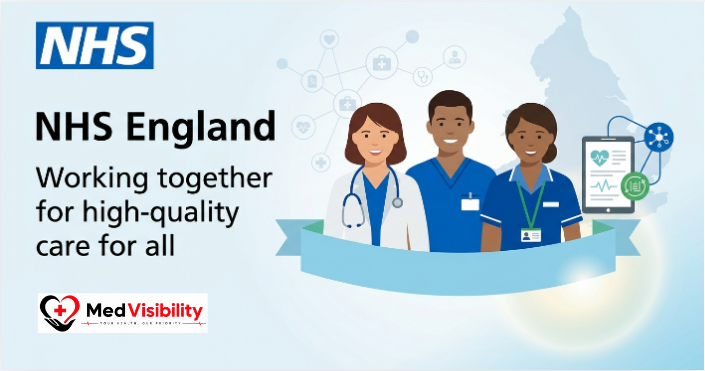
NHS England is the public body that oversees the budget, planning, and day-to-day operation of the National Health Service across England. Overseen by the Department of Health and Social Care, its primary role is to set clinical standards, allocate public healthcare funding, and ensure high-quality care for millions of patients.
                     ┌────────────────────────────────────────┐
                     │ Department of Health & Social Care     │
                     │ (Policy & Government Oversight)        │
                     └───────────────────┬────────────────────┘
                                         │
                                         ▼
                     ┌────────────────────────────────────────┐
                     │              NHS England               │
                     │ (National Budget, Strategy & Standards)│
                     └───────────────────┬────────────────────┘
                                         │
                                         ▼
                     ┌────────────────────────────────────────┐
                     │     Integrated Care Systems (ICSs)     │
                     │  (42 Regional Health & Care Networks)  │
                     └───────────────────┬────────────────────┘
                                         │
             ┌───────────────────────────┼───────────────────────────┐
             ▼                           ▼                           ▼
┌─────────────────────────┐ ┌─────────────────────────┐ ┌─────────────────────────┐
│ Primary & Neighbourhood │ │ Secondary & Acute Care  │ │ Specialized & Emergency │
│ GPs, Dentists, Pharmacies│ │ Hospitals & Specialists │ │ Ambulance, 111, Mental  │
└─────────────────────────┘ └─────────────────────────┘ └─────────────────────────┘
To deliver services locally, NHS England relies on 42 regional networks known as Integrated Care Systems (ICSs). These regional bodies coordinate doctors, local hospitals, community clinics, and mental health teams so that health and social care work hand-in-hand.
Key Services and How to Use Them
Knowing where to turn when you feel unwell saves time and ensures you get the right care quickly.
- General Practitioners (GPs): Your first stop for non-emergency physical and mental health issues. GPs provide diagnoses, prescribe treatments, manage long-term conditions, and refer you to hospital specialists.
- Community Pharmacies: Modern high-street pharmacies do far more than dispense medication. Under expanded NHS schemes, pharmacists can assess and supply prescription treatments for common ailments like earache, sore throats, shingles, and uncomplicated urinary tract infections without needing a GP visit.
- NHS 111: Available online and over the phone 24/7. Use this service when you need urgent medical guidance, advice on where to go, or an out-of-hours GP referral.
- Urgent Treatment Centres (UTCs) & A&E: Urgent Treatment Centres handle minor injuries like cuts, sprains, and small burns. Accident & Emergency (A&E) departments and 999 are reserved strictly for life-threatening emergencies like chest pain, stroke symptoms, or severe bleeding.
Read more: Navigating Modern Wellness Your Essential UK Health Blog Guide
How to Access NHS Services: Step-by-Step
Navigating healthcare should not be confusing. Follow these practical steps to get care efficiently:
1.Choose the Right Point of Entry:Match your symptoms to the appropriate service level.
Check whether your issue requires a pharmacist, a routine GP visit, or an urgent assessment via NHS 111 before booking. nhs england
2.Use the NHS App as Your Digital Doorway:Available on iOS and Android devices.
Log in using your NHS login to view your medical record, track prescription requests, and manage appointment bookings directly.
3.Contact Your Practice or Local Service:Online triage forms often speed up access.
Submit an online consultation form through your practice’s website early in the morning for non-urgent requests, or phone directly for urgent same-day triage.
4.Prepare for Your Appointment:Write down key details beforehand.
Note down when your symptoms started, what worsens or improves them, and bring a list of any current medications or supplements.
Primary Care vs. Secondary Care
Understanding the distinction between primary and secondary care helps set expectations for your treatment pathway.
| Care Level | Primary Care | Secondary Care |
| Primary Points of Contact | GP surgeries, high-street pharmacies, NHS 111 | Hospital departments, specialist clinics, surgical units |
| Access Requirement | Direct access (no referral needed) | Requires a referral from a GP or emergency clinician |
| Focus Area | General health, early diagnosis, routine checks, and prevention | Specialist diagnosis, complex surgical procedures, and advanced therapies |
| Typical Wait Times | Same-day to a few days for routine consultations | Varies based on national waiting lists and clinical urgency |
Practical Tips to Beat Waiting Times and Manage Your Care
While NHS England works to streamline secondary care backlogs, there are proactive steps you can take to keep your care moving forward smoothly:
- Download and Use the NHS App: The app allows you to view hospital referral status, check test results, and manage appointments without waiting on hold over the phone.
- Explore Your Right to Choose: Under NHS guidelines, if you are referred for consultant-led hospital care, you often have the right to choose which hospital or clinic carries out your treatment. Selecting a hospital with shorter waiting lists can significantly reduce your wait time.
- Keep Your GP Updated: If your symptoms change or worsen while waiting for a specialist appointment, contact your GP surgery. They can update the hospital team to re-evaluate your urgency level.
- Prepare a “Health File”: Keep a simple folder or digital note on your phone listing your medical history, known allergies, current prescriptions, and past test results.
Healthy Living and Disease Prevention
A central goal for NHS England is shifting the health system toward proactive disease prevention. Making small, realistic lifestyle adjustments in daily life can help reduce the risk of chronic conditions:
- Dietary Swaps: Replace processed snacks with whole foods like nuts, fresh fruit, or Greek yoghurt. Gradually reducing sodium intake helps maintain healthy blood pressure.
- Daily Movement: Aim for at least 150 minutes of moderate activity weekly. Simple habits like a brisk 20-minute daily walk or taking the stairs improve cardiovascular resilience.
- Sleep Hygiene: Maintain a consistent sleep schedule and turn off digital screens 60 minutes before bed to allow your body’s natural melatonin production to thrive.
- Routine Screenings: Take advantage of free NHS preventive health checks, routine blood pressure monitoring at local pharmacies, and age-appropriate cancer screening invitations (such as bowel, cervical, and breast screenings).
Read more: What Is a Healthcare SEO Service and Why It Matters When You’re Searching for Health Answers Online
When to See a Doctor
While self-care and pharmacy advice work well for mild ailments, certain red-flag symptoms require prompt medical attention from a qualified professional.
Contact your GP or call NHS 111 if you experience:
- Persistent symptoms that do not improve after two weeks (such as an unexplained cough, hoarseness, or ongoing stomach pain).
- Unexplained weight loss or severe night sweats.
- Changes in skin moles, such as irregular borders, color changes, or bleeding.
- Unusual lumps or persistent swelling anywhere on your body.
- Stool or urine changes, including blood in your stool or long-lasting bowel habit shifts.
Note: Seek emergency care immediately via 999 or go to A&E if you experience severe chest pain, sudden breathlessness, weakness on one side of your body, or sudden difficulty speaking.
Key Takeaways
- NHS England manages national health budgets, clinical standards, and regional care delivery.
- Primary care starts with GPs, pharmacies, and NHS 111 for non-emergency medical needs.
- Digital tools like the NHS App let you track referrals, view records, and order prescriptions.
- Patient rights include choosing your hospital provider for consultant referrals. nhs england.
Related
nhs app, nhs 111, primary care england, gp appointments, general practitioner, integrated care systems, ics health, hospital waiting times, pharmacy first, urgent treatment centre, emergency care, right to choose nhs, patient rights, NHS health check, preventive healthcare, mental health services, prescription charges, NHS exemption, routine health screening, community care. nhs england.
FAQs
How do I register with a GP in England?
You can register with any GP surgery that covers your local catchment area. Registration is free and does not require proof of address, ID, or immigration status. Most surgeries allow you to register online via the NHS website or in person.
What should I do if I cannot get a GP appointment?
If your practice has no open slots, consider using an online consultation form on their website, visiting a community pharmacist for common conditions, or calling NHS 111. NHS 111 can direct you to local walk-in centres or book out-of-hours appointments when appropriate.
How do I check my position on an NHS hospital waiting list?
You can view referral details and track elective care status through the NHS App. Alternatively, contact the outpatient admissions department at the hospital where you were referred.
Are NHS prescriptions free for everyone in England?
Prescriptions are free for specific groups, including children under 16, people aged 60 and over, pregnant women, and individuals with certain medical conditions holding a valid exemption certificate. If you pay for multiple prescriptions, an NHS Prescription Prepayment Certificate (PPC) can help reduce monthly costs.
For more updates visit: medvisibility.co.uk

Other Articles
Jelly Roll Weight Loss What Actually Happened





[…] It can also be accessed through the NHS App, which provides other functions such as requesting GP appointments, managing hospital referrals and ordering repeat prescriptions. […]
[…] public health guidance (including from the NHS and the World Health Organization) points to a few consistent ingredients in any effective routine, whether it happens at a gym or on a bedroom […]