



You have probably heard the advice a hundred times: “You should try meditation.” Maybe a friend swears it cured their anxiety, or a podcast host insists it is the key to focus. So you sit down, close your eyes, and try to clear your mind. Within thirty seconds, you are thinking about what you are going to have for dinner, replaying an awkward conversation from work, and wondering if you are doing it wrong. You open your eyes, conclude that you are “bad at meditation,” and never try again.
If that sounds familiar, you are not alone. Many people give up on meditation because they have the wrong idea about what it actually is. The goal is not to empty your mind or achieve instant bliss. The goal is simpler: to pay attention to the present moment, gently and without judgment. And the good news is that learning how to meditate is a skill anyone can develop, just like learning to ride a bike or play an instrument.
This guide will walk you through exactly how to start, from the basic mechanics of a five-minute practice to the different styles you can try. We will look at what the science says about the benefits, the most common obstacles beginners face, and how to build a habit that actually sticks. No incense, no chanting, and no unrealistic promises—just practical, evidence-based steps to help you find a moment of calm in a busy day.
Important note: This article is for general information purposes only and is not a substitute for professional medical advice, diagnosis, or treatment. Meditation is a supportive practice, not a replacement for clinical care. If you are experiencing significant mental health difficulties, always speak to your GP or a qualified mental health professional.
What Is Meditation, Really?
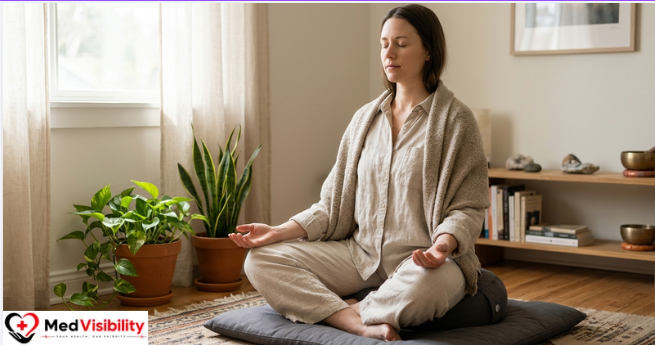
Meditation is an umbrella term for a set of mental training exercises designed to help you focus your attention and heighten your awareness of the present moment. It is not about becoming a different person, or escaping your problems. It is about training your brain to observe your thoughts and feelings without getting swept away by them.
The Myth of the “Empty Mind”
The most persistent myth about meditation is that you are supposed to stop thinking. This is impossible. Your brain is designed to produce thoughts, just as your heart is designed to pump blood. The practice of meditation is not about stopping the thoughts; it is about noticing when your mind has wandered and gently bringing your attention back to your chosen focus point. Each time you do this, you are strengthening your “attention muscle.”
The Science Behind the Practice
Decades of research suggest that regular meditation practice may help improve both health and quality of life. Studies have shown benefits for anxiety and stress, sleep problems, high blood pressure, and even chronic pain. A systematic review published in 2025 found moderate evidence that certain meditation practices, like Vipassana, can alleviate stress and anxiety while enhancing mindfulness and overall well-being. Another review highlighted that mindfulness-based programs can improve emotional regulation and stress resilience by inducing changes in brain regions related to emotional processing.
In the UK, the NHS recognises the value of mindfulness and meditation. The National Institute for Health and Care Excellence (NICE) recommends mindfulness-based courses for staff to reduce stress and improve wellbeing, and research funded by Health Education England found that NHS staff who attended a mindfulness course had significantly improved mental health.
The Benefits: What You Can Realistically Expect
It is important to set realistic expectations. Meditation is not a magic bullet, and it will not make the stresses of life disappear. However, with consistent practice, many people report meaningful changes.
Mental and Emotional Benefits
- Reduced stress and anxiety: Meditation can help you create a small gap between a stressful trigger and your reaction to it, allowing you to respond more calmly.
- Improved focus and concentration: Training your attention during meditation can translate into better focus during work or study. how to meditate.
- Greater emotional resilience: By learning to observe difficult emotions without being overwhelmed by them, you can build your capacity to handle life’s challenges.
Physical Benefits
- Better sleep: A guided meditation or body scan before bed can help calm a racing mind and prepare the body for rest. how to meditate.
- Lower blood pressure: Some studies suggest that regular meditation can have a positive effect on blood pressure, particularly in conjunction with other healthy lifestyle choices.
- Pain management: Mindfulness techniques are increasingly used as part of pain management programmes, helping people change their relationship with chronic pain.
How to Meditate: A Step-by-Step Guide for Beginners
The best way to learn how to meditate is to start with a simple, structured practice. Here is a foundational mindfulness meditation you can try right now. You do not need any special equipment—just a quiet space and a few minutes. how to meditate.
Step 1: Find a Comfortable Position
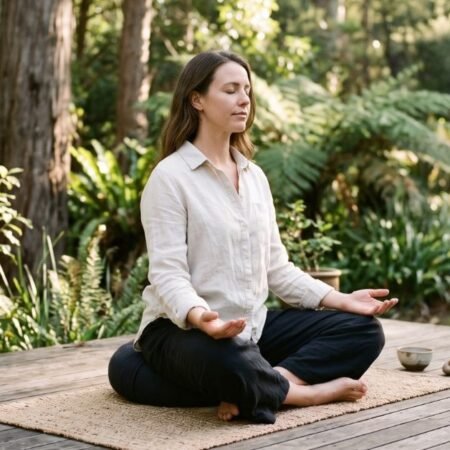
You do not have to sit cross-legged on the floor. Find a position that allows you to be relaxed but alert. You can sit in a chair with your feet flat on the floor, or on a cushion on the floor. Keep your back straight but not rigid, and let your hands rest in your lap or on your legs. If you prefer, you can lie down, but be aware that you might feel sleepy. how to meditate.
Step 2: Set a Time Limit
If you are a beginner, start with just five minutes. Using a timer on your phone (on silent) can help you avoid constantly checking the clock. Knowing that you only have to sit for five minutes makes the practice feel much more manageable. how to meditate.
Step 3: Notice Your Breath
Close your eyes, or soften your gaze toward a point on the floor in front of you. Bring your attention to your breath. Notice the sensation of the air moving in and out of your nostrils, or the gentle rise and fall of your chest and belly. Do not try to control your breath; just observe it as it is. how to meditate.
Step 4: Notice When Your Mind Wanders
Within a few seconds, your mind will wander. You will start thinking about your to-do list, a conversation you had yesterday, or a song stuck in your head. This is not a failure. This is the moment you have been waiting for. The “rep” of meditation is noticing that your mind has wandered and gently bringing your attention back to your breath. Do not judge yourself. Just begin again. how to meditate.
Step 5: Be Kind to Yourself
The practice is not about being perfect. It is about showing up and trying. If you find yourself getting frustrated, take a deep breath and remind yourself that the wandering mind is part of the process. As Dr. Gary Soffer of Yale Medicine says, “no one is a ‘bad meditator’”. The most important thing is that you are paying attention. how to meditate.
Step 6: Close the Practice
When your timer goes off, take a moment to notice how you feel. Open your eyes slowly. Take a deep breath. You have just completed a practice. Even if it felt messy, you have done something beneficial for your brain. how to meditate.
Exploring Different Styles of Meditation
The basic breath-awareness practice is a great starting point, but there are many other styles you can explore. Finding the one that resonates with you is key to building a lasting habit.
| Style | What It Involves | Best For |
|---|---|---|
| Mindfulness Meditation | Observing your thoughts and bodily sensations without judgment. | Beginners; developing general awareness. |
| Focused Attention | Concentrating on a single object, sound, or the breath. | Improving concentration and focus. |
| Loving-Kindness (Metta) | Silently repeating phrases of goodwill toward yourself and others. | Cultivating compassion and reducing anger. |
| Body Scan | Mentally scanning the body from head to toe, noticing sensations. | Releasing physical tension; improving sleep. |
| Mantra Meditation | Silently repeating a word or phrase, such as “peace” or “om.” | People who find it easier to focus on a sound than on the breath. |
| Walking Meditation | Bringing mindful awareness to the physical act of walking. | People who find sitting still difficult; integrating mindfulness into daily life. |
You can experiment with different styles to see what feels most natural to you. Many people find that using a guided meditation app or audio recording can be helpful when they are first starting out. how to meditate.
Common Challenges (and How to Overcome Them)
Almost everyone encounters obstacles when they start meditating. Knowing that these are normal can help you push through them. how to meditate.
“My mind won’t stop racing.”
This is the most common complaint. Remember, the goal is not to stop your thoughts. The goal is to notice them and let them pass, like clouds moving across the sky. Each time you notice your mind has wandered, you have succeeded in a moment of mindfulness.
“I don’t have time.”
Start with just three to five minutes a day. You can meditate while waiting for the kettle to boil, on the bus, or during a lunch break. The key is consistency, not duration. Scheduling your practice at the same time each day can help it become a habit. how to meditate.
“I keep falling asleep.”
This is especially common if you are tired or if you meditate lying down. Try sitting upright in a chair, meditating earlier in the day, or keeping your eyes slightly open. A gentle walk before you sit can also help you feel more alert. how to meditate.
“I’m not getting any benefits.”
Benefits often accumulate gradually and can be subtle. You might not notice a change in the first week, but over time you may find yourself reacting more calmly to stress or sleeping more soundly. Be patient with yourself and try to let go of expectations. how to meditate.
When to See a Doctor
Meditation is generally safe for most people, but it is not a substitute for professional mental health care. You should seek help from a GP or a qualified mental health professional if:
- You are experiencing persistent low mood, anxiety, or hopelessness.
- Your mental health is significantly affecting your daily life, work, or relationships.
- You are having thoughts of self-harm or suicide. how to meditate.
- You are using meditation as a way to avoid dealing with a serious problem.
In the UK, you can also self-refer to NHS Talking Therapies for confidential, evidence-based help with stress, anxiety, and depression. You do not need a GP referral to access this service.
Frequently Asked Questions
How long should I meditate for?
For beginners, 5 to 10 minutes a day is plenty. You can gradually increase the duration as you become more comfortable with the practice. Consistency is more important than length.
Do I have to sit cross-legged?
No. You can meditate sitting in a chair, lying down, or even walking. The most important thing is that you are comfortable and alert. how to meditate.
Is it okay if I use an app?
Yes. Guided meditation apps and audio recordings can be very helpful for beginners, as they provide structure and guidance. how to meditate.
What is the best time of day to meditate?
Many people find it helpful to meditate first thing in the morning, before the demands of the day take over. However, the best time is the one that you can stick to consistently.
Can meditation help with anxiety?
Yes, research suggests that meditation can be an effective tool for reducing symptoms of anxiety and stress. However, it should be used as part of a broader approach to mental wellbeing, not as a replacement for professional treatment if you are struggling.
Do I have to be spiritual to meditate?
Not at all. While meditation has roots in many spiritual traditions, the secular practice of mindfulness is entirely accessible to people of any faith or none.
Final Thoughts
Learning how to meditate is not about achieving a perfectly blank mind or becoming a different person. It is about showing up for yourself, moment by moment, with kindness and curiosity. It is a practice, not a performance. how to meditate.
Start with just five minutes a day. Sit comfortably, notice your breath, and gently bring your attention back when it wanders. That is it. That is the whole practice. Over time, those small moments of stillness can add up to a profound shift in how you relate to your thoughts, your emotions, and your life. You do not have to do it perfectly. You just have to begin.
Medical Disclaimer: This article is provided for general information purposes only and is not intended as medical advice, diagnosis, or treatment. Always seek the advice of your doctor or other qualified health professional with any questions you may have regarding a medical condition. Never disregard professional medical advice or delay in seeking it because of something you have read online. how to meditate.

Other Articles

5 Best Steps How to Meditate on God’s Word
5 Best Facts Vitamin K Deficiency Bleeding

[…] the same place each day. Many people find that first thing in the morning, before the day’s demands begin, is the most sustainable time. You can also use small pockets of time—a lunch break, a commute […]