



You wake up tired. Not the kind of tired that a strong coffee fixes, but a deep, bone-weary fatigue that follows you through the day. Your motivation has vanished, your sex drive has dipped, and the gym sessions that once felt easy now feel like a slog. You search online, and a dozen private clinics tell you that your testosterone is low and that a simple gel or injection will fix everything.
But what about the NHS? Can you get testosterone replacement therapy (TRT) on the NHS in the UK? Who qualifies? How long does it take? And is it actually safe?
These are sensible questions, and the answers are more nuanced than the advertisements suggest. This guide will walk you through exactly how TRT NHS UK works, from the blood tests your GP will order to the specialist referral you may wait months for. We will look at the clinical thresholds, the risks, the rise of private clinics, and the lifestyle factors that can mimic low testosterone. The goal is to give you clear, balanced information so you can have a more informed conversation with your doctor.
Medical Disclaimer: This article is provided for general information purposes only and is not intended as medical advice, diagnosis, or treatment. Always seek the advice of your doctor or other qualified health professional with any questions you may have regarding a medical condition. Never disregard professional medical advice or delay in seeking it because of something you have read online.
Important note: This article is for general information purposes only and is not a substitute for professional medical advice, diagnosis, or treatment. Always speak to your GP or a qualified healthcare professional about any symptoms or treatment decisions.
What Is TRT and Why Is It So Talked About?
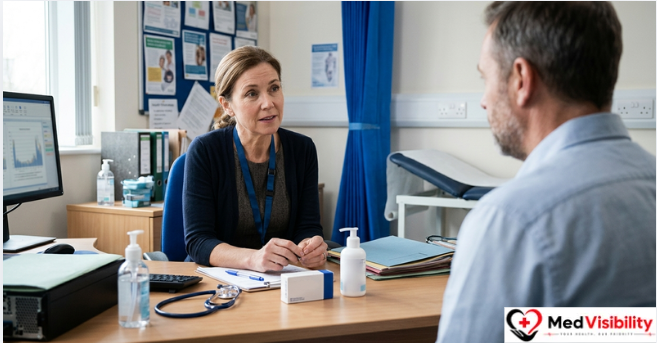
Testosterone is the primary male sex hormone. It plays a role in bone density, muscle mass, fat distribution, red blood cell production, and sexual function. When the body does not produce enough of it—a condition called hypogonadism—a range of symptoms can follow.
TRT is the medical replacement of testosterone, usually through gels, injections, or patches. It is a prescription-only treatment in the UK, meaning you cannot legally buy it over the counter. It must be initiated and monitored by a qualified clinician.
The conversation around TRT has exploded in recent years. Social media influencers, private clinics, and online pharmacies have reframed testosterone from a hormone for men with a genuine deficiency into a lifestyle booster for anyone feeling tired or unmotivated. This has driven a surge in demand, and it has put pressure on NHS services that are already stretched. Understanding the difference between clinical hypogonadism and general life fatigue is the first step in deciding whether TRT is right for you.
How the NHS Diagnoses Low Testosterone
The NHS does not diagnose low testosterone based on a single blood test or a questionnaire. The process is deliberately cautious, because testosterone therapy is a long-term commitment with real risks.
The Two-Test Rule
Guidance from the British Society for Sexual Medicine (BSSM) and NHS clinical commissioning groups is clear: diagnosis requires symptoms plus biochemical evidence from two separate fasting morning blood samples.
The timing matters. Testosterone levels peak in the morning and can drop by 20 to 40 percent by the afternoon. A sample taken at 4 p.m. may look low even if your morning levels are normal. A fasting morning sample, taken before 10 a.m., is the standard.
The thresholds are as follows:
- Total testosterone below 8 nmol/L on two occasions, alongside symptoms, is consistent with a diagnosis of hypogonadism.
- 8 to 12 nmol/L is classified as a “possible” deficiency or a “grey zone.” This is where clinical judgment becomes critical, and where private and NHS thresholds often diverge.
- Above 12 nmol/L is generally considered normal, and TRT is not usually recommended.
Some private clinics use a more permissive threshold, sometimes treating men with levels up to 15 nmol/L if they report symptoms. This is one of the key reasons the NHS and private sectors sometimes disagree about who should be treated.
Ruling Out Reversible Causes
Before labelling someone as having hypogonadism, a GP will look for other explanations. Many of the symptoms attributed to low testosterone—fatigue, low mood, reduced libido—can be caused by:
- Poor sleep or sleep apnoea
- Obesity
- Depression or anxiety
- Thyroid problems
- Diabetes
- Certain medications
- Excessive alcohol use
- Normal ageing
Obesity is particularly important. Excess body fat can produce a state sometimes called “pseudo-hypogonadism,” where testosterone levels drop because of the hormonal effects of fat tissue. In many cases, weight loss improves testosterone levels more effectively than TRT.
A GP may also check other hormones, including luteinising hormone (LH), follicle-stimulating hormone (FSH), prolactin, and thyroid function, to distinguish between primary hypogonadism (a problem with the testes) and secondary hypogonadism (a problem with the pituitary gland or hypothalamus).
| Testosterone Level | What It Means | Typical NHS Action |
|---|---|---|
| Below 8 nmol/L (two morning samples) | Confirmed deficiency | Referral to endocrinology for consideration of TRT |
| 8–12 nmol/L | Possible deficiency / grey zone | Clinical review; repeat testing; exclude reversible causes |
| Above 12 nmol/L | Normal range | TRT not usually recommended |
Who Qualifies for TRT on the NHS?
The short answer is: men with a confirmed biochemical deficiency and relevant symptoms. The longer answer involves a referral pathway that can be slow and, in some areas, inconsistent.
The GP Appointment
Your first step is a GP appointment. You will describe your symptoms and your GP will arrange a morning blood test. If the result is low, a second confirmatory test is needed. Your GP may also order additional tests to rule out other causes.
It is worth being specific with your GP about your symptoms. “I feel tired” is less useful than “I have lost my morning erections, my sex drive has dropped, and I feel emotionally flat.” The latter aligns more closely with the clinical picture of hypogonadism.
The Endocrinology Referral
GPs in the UK generally do not initiate TRT themselves. The responsibility for confirming the diagnosis and starting treatment usually lies with an endocrinologist or a specialist men’s health service.
This is where the waiting begins. Referral times vary significantly across the country. Some NHS trusts see patients within a few weeks, while others report waits of three to six months, nine months, or even longer. In high-demand areas, a wait of 12 to 18 months is not unheard of. One survey of NHS endocrinology services found that waits of up to 50 weeks for a specialist appointment are realistic in some regions. TRT NHS UK.
During the specialist appointment, the endocrinologist will review your blood tests, assess your symptoms, and consider whether TRT is appropriate. They will also discuss the risks and the commitment involved. TRT NHS UK.
What the NHS Typically Prescribes
If TRT is agreed, the NHS has a relatively limited formulary compared with private clinics. The most common options are: TRT NHS UK.
- Sustanon 250: An injectable blend of four testosterone esters, usually given every three to four weeks. TRT NHS UK.
- Nebido (testosterone undecanoate): A long-acting injection given every 10 to 14 weeks, administered by a nurse. It is less commonly prescribed on the NHS due to cost.
- Testogel or Tostran: Testosterone gels applied daily to the upper arms, shoulders, or abdomen.
Other options available privately—such as testosterone enanthate or cypionate, hCG, and aromatase inhibitors—are not routinely available on the NHS. TRT NHS UK.
NHS vs Private TRT: What’s the Difference?
The clinical goal of TRT is the same whether you access it through the NHS or privately. But the experience, the cost, and the oversight are very different. TRT NHS UK.
| Factor | NHS TRT | Private TRT |
|---|---|---|
| Cost | Free at point of care; standard prescription charge in England (free in Scotland, Wales, and Northern Ireland) | £100–£250 per month; initial consultation £150–£300; first-year total often £1,200–£2,500+ |
| Waiting time | 3–12 months for endocrinology referral in many areas | 1–4 weeks |
| Who initiates | Endocrinologist or specialist | Private clinician, often without GP referral |
| Treatment options | Limited formulary (Sustanon, Nebido, Testogel) | Wider range, including compounded options |
| Monitoring | Structured; blood tests every 3–6 months initially, then annually | Variable; often more frequent blood tests but less NHS oversight |
| Continuity | Shared care between specialist and GP | Private clinic; patient may return to NHS for side effects |
The financial difference is stark. NHS TRT is essentially free apart from prescription charges. Private TRT can cost thousands of pounds a year. But the BMJ has warned that the rapid expansion of private prescribing is creating a new problem: men who start TRT privately may later return to their GP for monitoring, blood tests, or management of side effects, shifting the long-term burden onto the NHS. TRT NHS UK.
This is not a criticism of private care in principle. Some men genuinely benefit from faster access and a wider range of options. But it does mean that the decision to go private should be made with a clear understanding of the long-term costs and the importance of proper monitoring.
The Risks and Side Effects of TRT
TRT is not a harmless wellness supplement. It is a medical treatment with real risks, and those risks increase the longer you take it. TRT NHS UK.
Common Side Effects
- Acne and oily skin
- Fluid retention
- Breast tenderness or enlargement (gynaecomastia)
- Mood swings or irritability
- Increased red blood cell production
Serious Risks
Cardiovascular events. A large real-world study presented at the American Heart Association found that longer-term exposure to testosterone therapy was associated with a higher risk of major adverse cardiovascular events, including atrial fibrillation, acute kidney injury, and pulmonary embolism. The absolute risk increase was modest—3.5% versus 2.5% for atrial fibrillation—but it is significant enough that monitoring is essential. TRT NHS UK.
Blood thickening. Testosterone stimulates red blood cell production. If haematocrit rises too high, the blood becomes thick, increasing the risk of clots, stroke, and heart attack. Regular blood counts are required. TRT NHS UK.
Prostate effects. Testosterone can enlarge the prostate and may worsen urinary symptoms. PSA monitoring is part of standard NHS follow-up. TRT NHS UK.
Fertility. Exogenous testosterone suppresses sperm production. Men who want to have children in the future should discuss this carefully with their doctor. TRT is generally not recommended for men with a current desire for fertility. TRT NHS UK.
Contraindications. TRT is not appropriate for men with a history of prostate or breast cancer, or those with severe untreated heart failure or uncontrolled high blood pressure.
These risks are manageable with proper monitoring, but they are the reason the NHS is cautious. A private clinic that prescribes testosterone without regular blood tests, PSA checks, and haematocrit monitoring is not providing safe care. TRT NHS UK.
Why Private TRT Is Under Scrutiny
A 2026 editorial in The BMJ raised serious concerns about the commercialisation of testosterone. The authors, Professor Stephen Atkin and Professor Eric Kilpatrick, noted that NHS testosterone dispensing rose by 52% between 2020–21 and 2024–25, and that private prescribing is growing rapidly. TRT NHS UK.
They warned that private clinics risk “broadening treatment from men with well characterised hypogonadism to people with non-specific symptoms and borderline biochemical findings.” In other words, men who might not meet NHS criteria—and for whom the long-term balance of benefits and risks is unclear—are being started on lifelong therapy. TRT NHS UK.
The editorial also highlighted the marketing problem. Prescription-only medicines cannot legally be advertised to the public in the UK. But indirect promotion through social media influencers, discounted at-home blood tests, and subscription-based models is widespread.
This does not mean every private clinic is irresponsible. Some provide excellent, well-monitored care. But the variation in quality is real, and the lack of national data on private prescribing makes it difficult to assess the full scale of the issue. TRT NHS UK.
When to See a Doctor
If you suspect you have low testosterone, do not self-diagnose or buy testosterone online. The risks of unmonitored use are genuine. TRT NHS UK.
You should book a GP appointment if you experience:
- Persistent low sex drive or erectile dysfunction
- Loss of morning erections
- Unexplained fatigue that does not improve with rest
- Loss of muscle mass or increased body fat, particularly around the abdomen
- Low mood or irritability alongside physical symptoms
- Fertility problems
You should seek urgent medical attention if you experience chest pain, sudden shortness of breath, swelling in one leg, or severe headache, especially if you are already taking testosterone.
If you are already using testosterone obtained privately, tell your GP. They can arrange monitoring and help you manage any side effects. Do not stop treatment abruptly without medical advice. TRT NHS UK.
Lifestyle Changes That Can Support Healthy Testosterone
Before considering TRT, it is worth addressing the factors that can naturally lower testosterone. The NHS recommends lifestyle changes as a first step for many men with borderline levels.
1. Maintain a Healthy Weight
Excess body fat, particularly visceral fat, is strongly linked to lower testosterone. Weight loss through a balanced diet and regular movement can raise testosterone levels naturally.
2. Prioritise Sleep
Testosterone production peaks during sleep. Chronic sleep deprivation and untreated sleep apnoea can suppress levels. Aim for seven to nine hours of good-quality sleep and speak to your GP if you snore heavily or wake unrefreshed. TRT NHS UK.
3. Manage Stress
Chronic stress raises cortisol, which can suppress testosterone. Evidence-based stress management techniques, including mindfulness, therapy, and regular physical activity, can help. TRT NHS UK.
4. Resistance Training
Strength training is one of the most effective ways to support healthy testosterone and build muscle mass. It also improves insulin sensitivity and body composition. TRT NHS UK.
5. Limit Alcohol
Heavy alcohol consumption is toxic to the testes and can suppress testosterone production. Reducing intake or taking regular breaks from alcohol can make a meaningful difference.
6. Check Your Medications
Some medications, including opioids and certain antidepressants, can lower testosterone. If you are on long-term medication and have symptoms, it is worth discussing with your doctor.
Final Thoughts
Low testosterone is a real medical condition, and for men with confirmed hypogonadism, TRT can be life-changing. But the NHS pathway is deliberately cautious, and for good reason. The diagnosis requires more than a single blood test, the treatment carries real risks, and the monitoring is a long-term commitment. TRT NHS UK.
READ MORE: Healthdirect Balanitis Avoid Sex What You Need to Know
The rise of private clinics has made access faster, but it has also made the landscape more confusing. If you are considering TRT NHS UK options, start with your GP. Ask for a morning blood test. Be honest about your symptoms. And be prepared to address the lifestyle factors—sleep, weight, stress, and alcohol—that can influence your testosterone as much as any medication.
Your health is worth more than a quick fix. The right approach is the one that is properly investigated, properly monitored, and properly tailored to you. TRT NHS UK.
FAQs
Can I get TRT on the NHS in the UK?
Yes, but only if you meet clinical criteria. You need symptoms of testosterone deficiency and two morning blood tests showing a total testosterone level below 8 nmol/L. Your GP will usually refer you to an endocrinologist for confirmation and initiation. TRT NHS UK.
How long does it take to get TRT on the NHS?
It varies by region. The GP appointment and blood tests can take a few weeks. The endocrinology referral is the bottleneck, with waits of three to six months being common and longer waits reported in high-demand areas. Some men wait up to a year or more. TRT NHS UK.
What is the NHS testosterone threshold?
A total testosterone level below 8 nmol/L on two separate morning samples, alongside symptoms, is the standard threshold for diagnosis. Levels between 8 and 12 nmol/L are considered a grey zone and require clinical judgment. TRT NHS UK.
Is TRT free on the NHS?
The treatment itself is free at the point of care, but you may pay the standard NHS prescription charge for the medication in England. Prescriptions are free in Scotland, Wales, and Northern Ireland. TRT NHS UK.
Can my GP prescribe TRT directly?
Most GPs in the UK do not initiate TRT. They will arrange blood tests and, if indicated, refer you to an endocrinologist or a specialist men’s health service. Shared care arrangements may allow your GP to continue prescribing once a specialist has stabilised your treatment.
What are the risks of TRT?
Risks include acne, fluid retention, breast tenderness, and mood changes. More serious risks include cardiovascular events, blood thickening (which increases clot risk), prostate enlargement, and reduced fertility. Regular monitoring is essential.
Does TRT affect fertility?
Yes. Exogenous testosterone suppresses sperm production and can cause infertility. If you want to have children, discuss this with your doctor before starting TRT.
For more updates visit: medvisibility.co.uk

Other Articles

5 Best Steps How Do I Get TRT in the UK with the NHS?
5 Best Liven App Alternative Options for Mental Wellness




[…] note: This article is for general information purposes only and is not a substitute for professional medical advice, diagnosis, or treatment. Always speak […]