



You’ve been sleeping fine for years. Then suddenly you’re wide awake at 3am, drenched in sweat, heart racing for no reason. Or maybe it’s not the nights it’s the fog that creeps into your thinking at work, the tears that show up out of nowhere, or periods that used to run like clockwork and now don’t.
If any of this sounds familiar, you’re not imagining things, and you’re certainly not alone. Menopause symptoms affect the vast majority of women in the UK at some point, and for many, the changes start years before periods actually stop. This guide walks through the most common menopause symptoms UK women report, why they happen, and importantly when it’s worth speaking to a GP.
This isn’t a diagnosis tool, and it won’t tell you what treatment to take. Think of it as a clear, calm starting point before your next conversation with a healthcare professional.
What Is Menopause, Exactly?
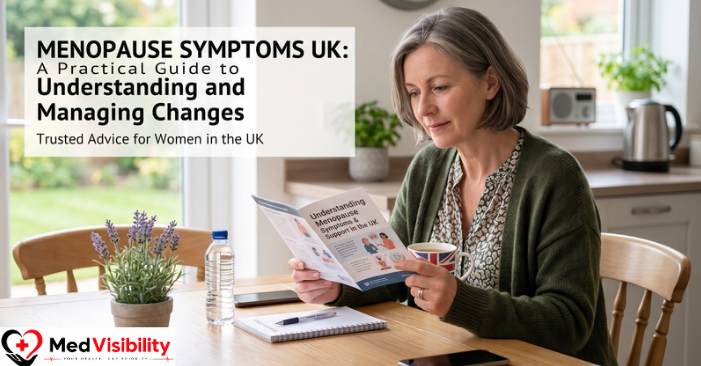
Menopause is officially defined as the point when you’ve gone 12 months without a period. In the UK, the average age for this is 51, though it’s entirely normal for it to happen anywhere from the mid-40s to mid-50s. Some women reach menopause earlier before 45 is considered early menopause, and before 40 is called premature menopause due to genetics, surgery, or medical treatments like chemotherapy.
The lead-up to menopause is called perimenopause, and this is where most of the symptoms actually begin. Oestrogen levels don’t drop in a straight line they fluctuate unpredictably for months or even years, which is part of why symptoms can feel so inconsistent. menopause symptoms UK.
Here’s the part that surprises a lot of people: you don’t need to have stopped having periods to be experiencing menopause symptoms. Perimenopause can start in your late 30s or early 40s for some women, while periods are still happening, just changing.
Common Menopause Symptoms UK Women Experience
No two experiences are identical. Some women sail through with barely a symptom; others find their day-to-day life significantly disrupted. Research suggests up to 80–90% of women notice at least some symptoms, and around a quarter describe them as severe.
Physical Symptoms
- Hot flushes – sudden waves of heat in the face, neck and chest, sometimes with flushing or sweating
- Night sweats – hot flushes that happen during sleep, often disrupting rest
- Irregular periods – heavier, lighter, more frequent or further apart than usual
- Difficulty sleeping – whether from night sweats or unrelated changes in sleep patterns
- Palpitations – a heartbeat that feels faster, stronger or more noticeable than usual
- Joint aches and stiffness
- Headaches or migraines that change in pattern
- Weight changes, often gathering around the stomach and upper body
- Vaginal dryness or discomfort, which can make sex uncomfortable
- More frequent UTIs or UTI-like symptoms, such as a burning sensation when peeing
Emotional and Cognitive Symptoms
- Low mood or increased anxiety
- Mood swings that feel disproportionate to the situation
- Brain fog – trouble concentrating, forgetfulness, or feeling mentally “slower”
- Reduced self-esteem or confidence
- Loss of interest in sex (reduced libido)
Symptoms That Often Get Overlooked
A few menopause symptoms don’t get talked about as often, but they’re common:
- Dry skin, thinning hair, or brittle nails
- Tingling or itching sensations on the skin
- Changes in body odour
- A dry mouth or altered sense of taste
- Gum or dental sensitivity
It’s also worth knowing that experience can vary by background. Some research indicates women from Black ethnic backgrounds are more likely to report severe and longer-lasting hot flushes, which is a useful reminder that “typical” menopause doesn’t look the same for everyone. menopause symptoms UK.
Menopause Symptoms at a Glance
| Category | Common Symptoms | Typical Timing |
|---|---|---|
| Physical | Hot flushes, night sweats, joint aches, palpitations | Can start years before periods stop |
| Reproductive | Irregular periods, vaginal dryness, reduced libido | Perimenopause through post-menopause |
| Emotional | Low mood, anxiety, mood swings | Often among the earliest symptoms |
| Cognitive | Brain fog, memory lapses, poor concentration | Perimenopause, may ease post-menopause |
| Urinary | Frequent UTIs, urinary urgency | More common as oestrogen drops further |
| Long-term | Bone density loss, cardiovascular changes | Post-menopause |
Why Do These Symptoms Happen?
Most menopause symptoms trace back to falling and fluctuating oestrogen levels. Oestrogen doesn’t just regulate the reproductive system — it also has a role in temperature regulation, mood chemistry, bone strength, skin elasticity, and cardiovascular health. When levels drop unevenly, the body reacts in ways that can feel disconnected from each other, even though they share the same underlying cause.
This is also why menopause isn’t just a “reproductive” life stage — it touches sleep, mental health, bone health and heart health too, which is part of why UK health guidance increasingly treats it as a broader wellbeing issue rather than something to quietly push through. menopause symptoms UK.
Perimenopause vs Menopause vs Post-Menopause
It helps to know where you are in the process, even loosely:
- Perimenopause: Periods are still happening but becoming irregular; symptoms may already be noticeable
- Menopause: The point marking 12 months since your last period menopause symptoms UK.
- Post-menopause: Everything after that point — some symptoms ease, though others, like vaginal dryness or bone density changes, can persist or emerge later
If you’re using hormonal contraception, this timeline can be harder to track, since methods like the combined pill can mask natural changes to your cycle. menopause symptoms UK.
Managing Symptoms: What Actually Helps
This section covers general lifestyle information, not a treatment plan. What works varies from person to person, and any decision about medication or hormone therapy should be made with a GP.
READ MORE: How Long Can Humans Live Maximum Lifespan? 5 Truths
Lifestyle approaches some women find helpful:
- Keeping a symptom diary (periods, sleep, mood, hot flushes) to spot patterns and bring clear information to a GP appointment
- Regular movement, particularly weight-bearing exercise, which supports bone health
- Reducing caffeine and alcohol in the evening if night sweats or sleep are an issue
- Prioritising a consistent sleep routine
- Eating a varied diet with adequate calcium and vitamin D for bone health
- Stress-reduction practices such as breathing exercises, yoga, or short walks
Medical options a GP might discuss include hormone replacement therapy (HRT), vaginal oestrogen for localised symptoms, or non-hormonal medications for specific symptoms like mood changes or hot flushes. HRT suits many women well, but it isn’t automatically right for everyone — a GP will usually weigh up personal and family medical history before recommending it. menopause symptoms UK.
None of this is a substitute for a proper conversation with a healthcare professional, particularly if symptoms are affecting your quality of life.
When to See a Doctor
It’s worth booking a GP appointment if:
- Symptoms are affecting your daily life, work, sleep, or relationships
- You experience heavy or unusual bleeding, especially bleeding after sex or between periods
- You’re under 45 and notice signs of perimenopause or your periods have stopped
- You have bleeding after menopause has already been confirmed (12+ months without a period) — this should always be checked
- Low mood or anxiety feels persistent or difficult to manage alone
- You’re unsure whether what you’re experiencing is menopause-related or something else entirely
Many women wait far longer than necessary before seeking help, often assuming symptoms are just “part of getting older” to be endured quietly. Early advice can make a real difference to how manageable this stage of life feels, and a GP can also rule out other causes for symptoms that might overlap with menopause, such as thyroid issues.
A Quick Note on NHS Support
As of 2026, NHS Health Checks in England have begun including menopause-related questions as standard, reflecting a broader shift toward treating menopause as a routine part of women’s healthcare rather than something raised only if a patient brings it up first. If you’re due a health check, this is a natural opening to raise any symptoms you’ve noticed.
READ MORE: Anxiety Symptoms UK How to Recognise Them and What Helps
Key Takeaways
- Menopause symptoms can start years before periods stop, during perimenopause
- The average age of menopause in the UK is 51, but ranges from the mid-40s to mid-50s
- Symptoms span physical, emotional and cognitive categories — hot flushes and mood changes are among the most common
- Experience varies significantly between individuals and ethnic backgrounds
- Lifestyle changes can help manage symptoms, but medical options like HRT should be discussed with a GP
- Unusual bleeding, especially after confirmed menopause, always warrants a doctor’s visit
FAQs
What is usually the first sign of menopause?
For most women, the earliest noticeable change is a shift in their normal period pattern — periods becoming lighter, heavier, more frequent or further apart than before.
How long do menopause symptoms typically last?
This varies widely. Some symptoms, like hot flushes, can last several years and sometimes into post-menopause, while others ease once hormone levels stabilise. There’s no fixed timeline that applies to everyone.
Can you have menopause symptoms while still having periods?
This is called perimenopause, and it can begin months or even years before periods stop completely.
Is weight gain during menopause inevitable?
Weight changes are common during perimenopause and menopause, often gathering around the stomach, but they’re not universal or unavoidable. Diet, activity levels and individual metabolism all play a role.
Should I see a GP even if my symptoms feel manageable?
It’s still worth mentioning menopause symptoms at a routine appointment, even mild ones, since a GP can offer guidance, monitor bone and heart health, and flag anything that needs closer attention.
Is HRT the only treatment option?
HRT is one option among several, including non-hormonal medications and lifestyle adjustments. A GP can talk through what fits your personal health history and preferences.
For more updates visit: medvisibility.co.uk

Other Articles

Mediterranean Diet UK A Simple, Realistic Guide
Anxiety Symptoms UK How to Recognise Them and What Helps
[…] interest in Mediterranean-style eating has climbed steadily across the UK, and it’s not hard to see […]
[…] Testosterone levels naturally decline with age usually gradually, from around the early-to-mid 30s onward, at roughly 1–2% a year for many men. For most people, this slow decline doesn’t cause noticeable problems. But for some, testosterone drops low enough, or quickly enough, to produce a cluster of symptoms that affect daily life. This is sometimes called low testosterone, testosterone deficiency, hypogonadism, or informally “the male menopause” or “andropause” though that last term is a bit misleading, since the decline is usually gradual rather than a sudden change like the female menopause. […]
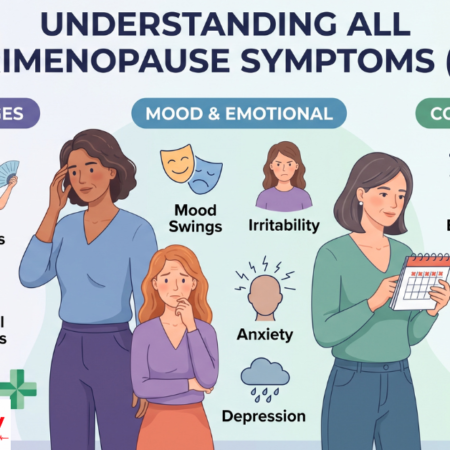
[…] READ MORE: Menopause Symptoms UK What to Expect and When to Get Help […]
[…] no honest way to promise a specific week or month — anyone guaranteeing a fixed timeline is worth treating with caution. That said, a reasonable, commonly observed pattern is measurable […]