



Inflammation can be part of the body’s normal response to injury or illness, but diet may also influence longer-term inflammation and overall health. The challenge is knowing what “anti-inflammatory” actually means when you’re shopping and eating in the UK.
An anti-inflammatory diet UK approach is less about following a rigid menu and more about building meals around vegetables, fruit, whole grains, pulses, nuts, seeds, fish, and unsaturated fats while limiting heavily processed foods.
Disclaimer: This article is for general information only. Individual results and nutritional needs vary. If you have a medical condition or need a site-specific nutrition or SEO strategy, consult an appropriately qualified professional.
There is no single food that switches inflammation off, and no diet can guarantee treatment or prevention of a particular condition. Instead, the goal is a balanced eating pattern that supports general health and provides plenty of fibre, vitamins, minerals and beneficial fats.
What Is an Anti-Inflammatory Diet?
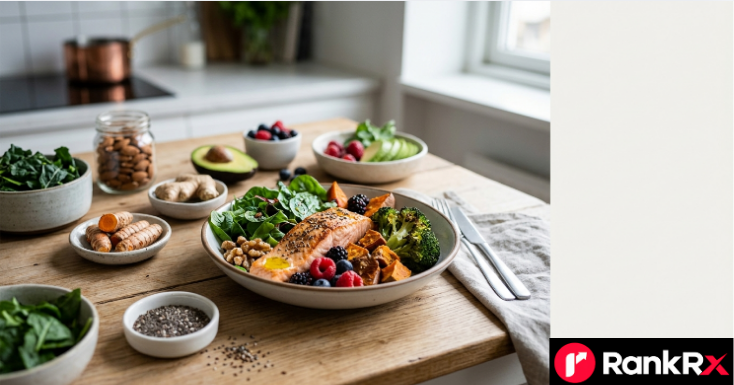
An anti-inflammatory eating pattern generally emphasises minimally processed foods and a wide variety of plant foods. It is broadly similar to Mediterranean-style eating, although there is no universally defined “anti-inflammatory diet.”
The emphasis is usually on:
- Vegetables, especially a wide range of colours
- Fruit
- Whole grains
- Beans, lentils and other pulses
- Nuts and seeds
- Oily fish
- Olive and rapeseed oils
- Herbs and spices
- Plain or minimally sweetened dairy and alternatives, where suitable
At the same time, it makes sense to reduce reliance on foods that are high in saturated fat, free sugars or salt, particularly when they displace more nutritious options.
This does not mean you need to eliminate treats, bread, dairy or specific food groups unless there is a medical reason to do so.
Anti-Inflammatory Foods Available in the UK
You do not need specialist ingredients or expensive health-food products. Most of the useful foods are available from ordinary UK supermarkets and local shops.
Vegetables and Fruit
Aim for variety rather than focusing on one “superfood.”
Good everyday choices include:
- Broccoli, cauliflower and cabbage
- Spinach and other leafy greens
- Carrots and peppers
- Tomatoes
- Berries, apples and citrus fruit
- Frozen vegetables and fruit
Frozen produce can be particularly practical because it is convenient and can reduce food waste.
Whole Grains and Pulses
Fibre-rich foods can form an important part of a balanced diet.
Consider:
- Oats
- Wholemeal or wholegrain bread
- Brown rice
- Wholewheat pasta
- Barley
- Lentils
- Chickpeas
- Kidney beans and other beans
If you currently eat mostly refined grains, gradually replacing some with wholegrain versions can make the change easier to maintain.
Fish, Nuts and Seeds
Oily fish such as salmon, sardines, mackerel and trout provide omega-3 fatty acids.
Plant-based options include:
- Walnuts
- Chia seeds
- Flaxseed
- Pumpkin seeds
- Other unsalted nuts and seeds
If you do not eat fish, a varied diet can still provide important nutrients through plant foods and appropriately fortified alternatives.
Herbs, Spices and Drinks
Herbs and spices can add flavour without depending heavily on salt.
Common choices include:
- Ginger
- Garlic
- Turmeric
- Cinnamon
- Rosemary
- Black pepper
Tea and coffee can also fit into a balanced diet. The overall dietary pattern matters more than relying on a particular drink or ingredient.
Foods to Limit
A realistic approach is to focus on what you eat regularly rather than treating individual foods as completely “good” or “bad.”
Foods worth limiting include:
- Processed meats such as sausages and bacon
- Foods high in saturated fat
- Sugary drinks and frequent sugary snacks
- Highly processed convenience foods
- Foods high in salt
- Excessive alcohol
This does not mean these foods can never be eaten. Portion size, frequency and the rest of your diet all matter.
A Simple UK-Friendly Meal Plan
You can build meals using a straightforward formula: plenty of vegetables or fruit, a fibre-rich carbohydrate, a protein source and a source of unsaturated fat.
| Meal | Practical UK-friendly example |
|---|---|
| Breakfast | Porridge with berries, walnuts and plain yoghurt |
| Lunch | Wholemeal sandwich with chicken or hummus, plus salad and fruit |
| Dinner | Salmon, brown rice and roasted vegetables |
| Vegetarian dinner | Lentil and vegetable curry with brown rice |
| Snack | Fruit with a small handful of unsalted nuts |
| Quick option | Vegetable soup with wholegrain bread and a protein-rich side |
You can adapt these ideas to your budget, culture, allergies, dietary preferences and cooking time.
How to Start an Anti-Inflammatory Diet UK Routine
Making several major changes at once can be difficult. A gradual approach is often more practical.
Start With One Meal
Improve one regular meal first. For example, add vegetables to dinner or switch a refined-grain breakfast to oats.
Upgrade Your Shopping List
Keep convenient options available:
- Frozen vegetables
- Tinned beans and lentils
- Oats
- Wholegrain bread
- Fruit
- Unsalted nuts
- Tinned oily fish
Check labels on packaged foods, particularly for salt, saturated fat and added sugars.
Think About Your Overall Pattern
Rather than asking whether one food is inflammatory, ask:
What does most of my diet look like over several days and weeks?
That question is usually more useful than trying to classify individual ingredients.
Potential Benefits and Limitations
A balanced, plant-rich eating pattern can support general health and may be associated with better outcomes for several chronic health conditions. However, research on specific “anti-inflammatory” diets varies, and inflammation is a complex biological process. Anti-Inflammatory Diet UK.
Potential Upsides
A well-planned approach can: Anti-Inflammatory Diet UK.
- Increase fibre intake
- Increase fruit and vegetable variety
- Provide beneficial unsaturated fats
- Encourage healthier everyday food choices
- Support overall dietary quality
Important Limitations
An anti-inflammatory eating pattern is not a substitute for medical treatment.
You should also be cautious about online claims involving supplements, detoxes or elimination diets. Removing large numbers of foods without a clear reason can make a diet unnecessarily restrictive and may create nutritional gaps. Anti-Inflammatory Diet UK.
If you have a diagnosed inflammatory condition, food allergy, coeliac disease, diabetes, kidney disease or another medical condition, personalised advice from a qualified healthcare professional may be appropriate.
Common Mistakes to Avoid
Chasing “Superfoods”
You do not need expensive powders, exotic berries or speciality products. Ordinary vegetables, fruit, oats, beans, whole grains, nuts and fish can all contribute to a nutritious diet. Anti-Inflammatory Diet UK.
Cutting Out Everything at Once
Extreme restriction can make a healthy eating pattern harder to sustain. Focus on adding nutritious foods before worrying about perfection. Anti-Inflammatory Diet UK.
Assuming Supplements Are Essential
Supplements are not automatically necessary because a product is marketed as “anti-inflammatory.” Some supplements can also interact with medicines or be inappropriate for certain health conditions. Anti-Inflammatory Diet UK.
Ignoring the Rest of Your Lifestyle
Diet is only one part of health. Sleep, physical activity, stress, smoking, alcohol intake and medical care can also matter. Anti-Inflammatory Diet UK.
Confusing Association With Proof
Research may find that certain dietary patterns are associated with health outcomes without proving that one food directly caused the difference. Be wary of articles that turn preliminary findings into certainty.
How to Make the Diet Affordable
Healthy eating does not have to mean buying premium products.
Try: Anti-Inflammatory Diet UK.
- Choosing seasonal produce
- Buying frozen vegetables and fruit
- Using dried or tinned pulses
- Comparing supermarket own-brand products
- Buying whole grains in larger packs when practical
- Planning meals around ingredients you already have
- Using leftovers for another meal
Tinned foods can be useful, too. Where appropriate, choose lower-salt versions or drain and rinse beans and pulses. Anti-Inflammatory Diet UK.
Conclusion
A sensible anti-inflammatory diet UK approach does not require a complicated shopping list or strict rules. Build meals around vegetables, fruit, whole grains, pulses, nuts, seeds and nutritious protein sources, and keep highly processed foods, excess salt, free sugars and saturated fat in moderation. Anti-Inflammatory Diet UK.
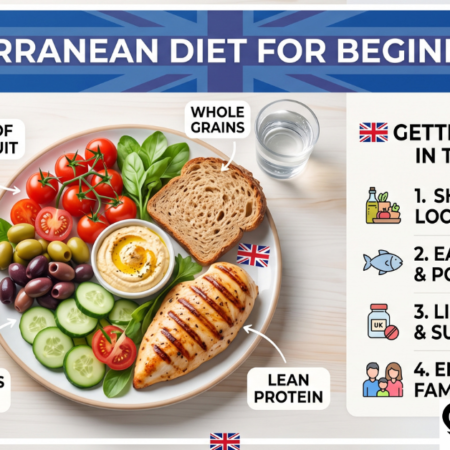
READ MORE: Mediterranean Diet for Beginners UK Easy Meal Plan & Guide
The biggest advantage is that this approach can become part of ordinary life rather than a short-term “diet.” Focus on consistency, variety and an overall balanced pattern instead of searching for one miracle ingredient.
FAQs
What is an anti-inflammatory diet UK plan?
It is a balanced eating pattern that emphasises vegetables, fruit, whole grains, pulses, nuts, seeds, oily fish and unsaturated fats while limiting excessive intake of highly processed foods, saturated fat, free sugars and salt. Anti-Inflammatory Diet UK.
What are the best anti-inflammatory foods in the UK?
There is no single best food. Useful everyday choices include vegetables, berries and other fruit, oats, whole grains, beans, lentils, nuts, seeds, olive or rapeseed oil and oily fish such as salmon or sardines.
Is an anti-inflammatory diet suitable for everyone?
A generally balanced diet can be adapted for many people, but individual requirements differ. People with allergies, digestive disorders, chronic diseases or specific nutritional needs should consider personalised professional advice.
Can an anti-inflammatory diet cure inflammation?
No diet should be described as a guaranteed cure. Dietary patterns may support overall health, but persistent inflammation or symptoms require appropriate medical assessment and treatment when necessary.
Do I need to avoid sugar completely?
Not necessarily. A more practical approach is to limit foods and drinks high in free sugars and make nutritious foods the foundation of your diet. Anti-Inflammatory Diet UK.
Is the Mediterranean diet anti-inflammatory?
Mediterranean-style eating shares many characteristics with dietary patterns studied in relation to inflammation, including high consumption of plant foods, whole grains, pulses, nuts, fish and unsaturated fats. It is better viewed as an overall eating pattern than a medical treatment.
For more updates visit: medvisibility.co.uk

Other Articles

Testosterone Levels by Age in the UK What’s Normal and When to Act
Herbal Remedies UK What Actually Works, What to Watch Out For

[…] general information only and isn’t a substitute for professional medical advice, diagnosis or treatment. If you’re concerned about your testosterone levels or any symptoms you’re […]