



You’ve got a scratchy throat, a toddler with earache at 9pm, or a stomach that’s been off since lunch. Before you reach for your phone to book a GP appointment you probably won’t get for a week, there’s a good chance something simpler will do the job a cup of honey and lemon, a warm compress, or a quick trip to your local chemist.
That’s really what “home remedies” means in the UK context: not folklore, not miracle cures, but the sensible first steps most of us were taught by a parent or grandparent, backed up (where the evidence exists) by the NHS itself. The NHS actively encourages this. Self-care is the NHS’s own term for it, and it exists because a huge number of GP visits each year are for things that get better on their own with rest, fluids, and an over-the-counter product from the pharmacy. home remedies UK.
This guide walks through the home remedies that genuinely help with the most common everyday complaints coughs, colds, sore throats, upset stomachs, minor burns, headaches, and more what the evidence actually says about each one, and just as importantly, when a home remedy isn’t enough and you need proper medical care.
A quick note before we start: nothing here is a diagnosis or a prescription. It’s general information to help you make sensible day-to-day decisions. If you’re ever unsure, your local pharmacist is one of the most under-used sources of free, expert advice on the high street and for a growing list of conditions, they can now treat you directly.
Why Home Remedies Still Matter in the UK
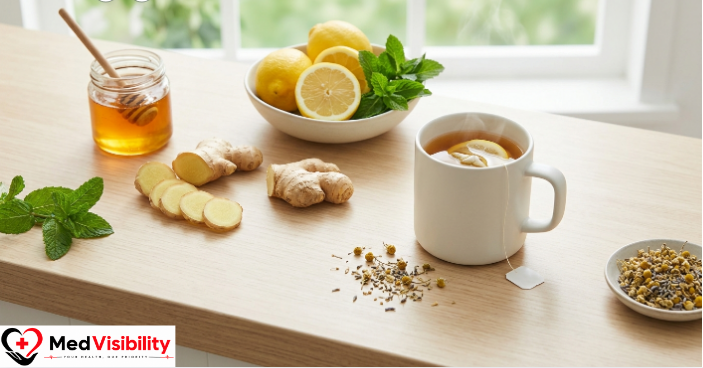
It’s easy to assume “home remedy” is an old-fashioned idea that’s been replaced by modern medicine. In practice, the opposite is true: self-care is now a formal part of how the NHS wants people to manage minor illness, mainly because GP capacity is stretched and most colds, coughs, and stomach upsets simply don’t need a doctor’s involvement. home remedies UK.
A few things worth knowing about how this works in the UK specifically:
- Community pharmacists are trained clinicians. They can assess symptoms, recommend treatment, and flag anything that needs urgent attention.
- NHS Pharmacy First lets pharmacists treat a defined list of common conditions directly — including sore throat, earache, sinusitis, shingles, impetigo, infected insect bites, and uncomplicated UTIs in women aged 16–64 — sometimes with prescription-only medicines, at no cost, without a GP appointment. The scheme has been expanding, so it’s worth asking your pharmacy what they can now help with directly.
- Self-limiting conditions is the medical term for illnesses that resolve on their own. Most coughs, colds, and mild stomach bugs fall into this category — a home remedy here is about comfort and easing symptoms, not curing anything. home remedies UK.
- A well-stocked medicine cabinet — paracetamol, ibuprofen, oral rehydration sachets, antihistamines, plasters, a thermometer — genuinely reduces how often you need to leave the house for minor issues.
With that context, let’s get into what works for specific everyday complaints.
Coughs, Colds and Sore Throats
These are the classic winter trio, and also the most researched home remedies going.
Honey and Lemon
Warm water, a spoonful of honey, and a squeeze of lemon is a genuinely useful combination for a scratchy throat and a nagging cough — honey has a soothing, coating effect and some evidence suggests it can be as effective as over-the-counter cough medicine for short-term relief of coughing in adults and children over one year old. Never give honey to babies under 12 months, as it carries a small risk of infant botulism.
Salt Water Gargling
Dissolving half a teaspoon of salt in a warm glass of water and gargling several times a day is one of the simplest, most evidence-backed remedies for a sore throat. It helps reduce swelling and can loosen mucus, easing discomfort without any downsides for most adults. home remedies UK.
Steam and Staying Hydrated
Inhaling steam from a bowl of hot water (carefully, and never with young children due to scald risk) can help loosen a blocked nose. More reliably useful: simply drinking plenty of fluids keeps mucus thinner and your throat less irritated. Hot drinks — tea with honey, or hot squash — feel especially soothing.
Rest and Paracetamol or Ibuprofen
Sounds obvious, but genuine rest speeds recovery from colds and flu-like illness. Paracetamol or ibuprofen can ease the aches, sore throat pain, and mild fever that come with it. They shouldn’t be taken together at full dose without pharmacist guidance, and aspirin should never be given to children under 16. home remedies UK.
What Doesn’t Help
Antibiotics don’t work on colds or flu because these are viral, not bacterial — this is worth knowing because it’s one of the most common reasons people book unnecessary GP appointments. Decongestant nasal sprays can also make congestion worse if used for more than a few days in a row (this is called rebound congestion).
Upset Stomach, Diarrhoea and Nausea
Ginger
Ginger tea, ginger biscuits, or fresh ginger steeped in hot water is a long-standing remedy for nausea, and there’s reasonable evidence supporting its use for mild queasiness, travel sickness, and morning sickness (though pregnant women should check with a midwife or pharmacist on dosage). home remedies UK.
Oral Rehydration and the BRAT-Style Approach
The real risk with diarrhoea and vomiting isn’t the illness itself — it’s dehydration, particularly in young children and older adults. Oral rehydration sachets (available cheaply from any UK pharmacy) replace lost salts and fluids far more effectively than water alone. Bland foods — toast, rice, bananas, plain crackers — are easier on a recovering stomach than anything rich, spicy, or fatty. home remedies UK.
Peppermint Tea
For trapped wind, bloating, or general stomach discomfort, peppermint tea is a mild, well-tolerated option many people find genuinely soothing, though it isn’t recommended if you have acid reflux, as it can relax the valve that keeps stomach acid down. home remedies UK.
| Symptom | Home remedy to try first | When it’s more than “wait it out” |
|---|---|---|
| Mild cough, sore throat | Honey and lemon, salt water gargle, fluids | Lasts more than 3 weeks, or breathing difficulty |
| Cold, blocked nose | Steam, rest, paracetamol/ibuprofen | High fever that won’t settle, or symptoms worsen after a week |
| Nausea | Ginger tea, small sips of water | Can’t keep fluids down for 24 hours+ |
| Diarrhoea/vomiting | Oral rehydration sachets, bland food | Blood in stool, signs of dehydration, lasts more than a few days |
| Trapped wind, mild indigestion | Peppermint tea, antacids | Severe or persistent abdominal pain |
</div>
Headaches and Minor Aches
Most everyday headaches — tension headaches in particular — respond well to simple measures: a large glass of water (dehydration is a very common trigger), paracetamol or ibuprofen at the recommended dose, and a short period of rest somewhere quiet and dim. A cold compress on the forehead or the back of the neck can also take the edge off. home remedies UK.
For muscle aches, sprains, and minor strains, the classic advice is still sound: rest the area, apply ice wrapped in a cloth for the first 48 hours to reduce swelling, use gentle compression if appropriate, and elevate the limb where possible. Heat (a warm bath or heat pack) tends to help more once the initial swelling has gone down, usually after a couple of days. home remedies UK.
Minor Cuts, Grazes and Burns
Cuts and Grazes
Clean the area under cool running water, pat it dry with a clean cloth, and cover with a plaster or dressing. Most small cuts don’t need antiseptic cream, though it’s a reasonable option if the area looks like it’s at higher risk of infection (for example, a graze picked up outdoors). home remedies UK.
Minor Burns and Scalds
Run the burn under cool (not ice-cold) running water for 20 minutes as soon as possible — this is genuinely one of the most important pieces of home first aid to know, as it can significantly reduce the depth and severity of the burn. Don’t use ice, butter, or toothpaste, all of which are common myths that can make things worse. Loosely cover with cling film or a clean plastic bag while you assess whether it needs medical attention.
Insect Bites and Stings
Remove any visible sting by scraping it out sideways (don’t squeeze it, as this can release more venom), wash the area with soap and water, and apply a cold compress to bring down swelling. Antihistamine tablets or hydrocortisone cream can ease itching. home remedies UK.
Sleep Troubles
Occasional poor sleep is extremely common and doesn’t always need medication. A consistent wind-down routine — dimming lights an hour before bed, avoiding screens, keeping the bedroom cool — makes a measurable difference for most people. Herbal teas such as chamomile are widely used and generally considered safe, though the evidence for them is more modest than the popularity suggests. Avoiding caffeine after early afternoon and limiting alcohol close to bedtime are two of the simplest, most effective changes most people can make.
When to See a Doctor
Home remedies are for minor, self-limiting complaints. It’s important to know where the line is. Consider contacting NHS 111, your GP, or in an emergency, 999, if: home remedies UK.
- A fever in a baby under 3 months is 38°C or higher, or in a baby 3–6 months is 39°C or higher
- Symptoms last much longer than expected — for example, a cough lasting more than three weeks, or diarrhoea lasting more than a few days home remedies UK.
- There are signs of dehydration: dizziness, very dark urine, confusion, or (in babies) fewer wet nappies than usual home remedies UK.
- A burn is larger than the size of your hand, or affects the face, hands, or genitals
- There’s severe or worsening pain, blood in vomit or stool, or a rash that doesn’t fade under pressure (glass test) home remedies UK.
- Someone has chest pain, severe shortness of breath, or symptoms suggestive of a stroke (face drooping, arm weakness, speech difficulty) home remedies UK.
For anything urgent but not immediately life-threatening, NHS 111 (by phone or online) is a genuinely useful triage service — and for many everyday infections, a walk-in consultation at a participating pharmacy under the Pharmacy First scheme can get you seen and, if appropriate, treated the same day.
The Limitations of Home Remedies
It’s worth being honest about what home remedies can and can’t do. They’re excellent for comfort and for supporting your body while it does the actual work of recovering from a minor, self-limiting illness. They are not a substitute for medical treatment when a condition is bacterial, severe, worsening, or affects someone in a higher-risk group — very young children, older adults, pregnant women, or people with a long-term condition such as diabetes or a weakened immune system. If you’re ever genuinely unsure, it costs nothing to ask a pharmacist. home remedies UK.
Key Takeaways
- Most coughs, colds, and mild stomach upsets are self-limiting and respond well to rest, fluids, and simple remedies like honey, ginger, and salt water gargles.
- A well-stocked home medicine cabinet — paracetamol, ibuprofen, rehydration sachets, plasters, antihistamines — covers the vast majority of everyday minor ailments.
- Cool running water for 20 minutes is the single most important first-aid response to a minor burn.
- Antibiotics don’t help with colds, flu, or most sore throats, because these are usually viral.
- NHS Pharmacy First means many common infections — sore throat, earache, UTIs, sinusitis and more — can now be assessed and treated directly by a pharmacist, often without a GP appointment.
- Know the red flags — persistent high fever, dehydration, worsening pain, or symptoms lasting far longer than expected — and don’t hesitate to contact NHS 111 or your GP when they appear.
READ MORE: Natural Remedies UK What Actually Works, and What’s Just Marketing
A Note on This Article
This article is for general information only and isn’t a substitute for professional medical advice, diagnosis, or treatment. Always speak to a pharmacist, GP, or other qualified healthcare professional about symptoms that concern you, particularly if you’re pregnant, caring for a young child, managing a long-term condition, or unsure whether a symptom needs urgent attention. In an emergency, always call 999.
FAQs
Are home remedies actually backed by evidence, or is it mostly folklore?
It’s a mix. Some, like honey for coughs or cool water for burns, have reasonable evidence behind them. Others, like many herbal teas, are widely used and generally safe but have weaker scientific backing. The key is knowing which remedies are for comfort versus which are genuinely effective, and this article aims to be clear about that distinction throughout.
Can I use home remedies alongside medicine from the pharmacy?
Usually, yes — simple measures like fluids, rest, and honey and lemon work well alongside over-the-counter medicines such as paracetamol. Always check the patient information leaflet or ask your pharmacist if you’re combining several products, since some contain overlapping ingredients.
How do I know if it’s safe to treat something at home instead of seeing a GP?
As a general guide, mild symptoms that are improving, or staying roughly the same after a few days, are usually safe to manage at home. Symptoms that are severe, rapidly worsening, or lasting well beyond what’s typical for that illness are a signal to seek advice. See the “When to See a Doctor” section above for specific warning signs.
Is it true that pharmacists can now prescribe medicine in the UK?
Under the NHS Pharmacy First scheme, trained community pharmacists can assess and treat a defined list of common conditions — including sore throat, earache, sinusitis, shingles, impetigo, infected insect bites, and uncomplicated UTIs — and can supply prescription-only medicines where clinically appropriate, at no cost to the patient, without needing a GP referral.
Are home remedies safe for children and babies?
Many are, but not all — for example, honey must never be given to babies under 12 months due to a botulism risk, and aspirin should never be given to anyone under 16. When in doubt about a remedy’s suitability for a child, ask a pharmacist or health visitor before trying it.
What should be in a basic home medicine cabinet in the UK?
A reasonable starting list includes paracetamol and ibuprofen, oral rehydration sachets, antihistamines, a digital thermometer, plasters and sterile dressings, antiseptic cream, and a first-aid guide. Check expiry dates regularly and keep everything out of reach of children.
For more updates visit: medvisibility.co.uk

Other Articles

Healthy Lifestyle Tips UK A Realistic Guide for Everyday Life

[…] to look impressive rather than to be useful to a patient scanning it in under 30 seconds. If a visitor can’t tell what a practice treats and how to contact them within a few seconds, the website […]
[…] self-care and pharmacy advice work well for mild ailments, certain red-flag symptoms require prompt medical attention from […]